KazNARU HOSTS YOUNG SCIENTISTS’ CONFERENCE ON “AGROBIORESOURCES AND ECOLOGY”
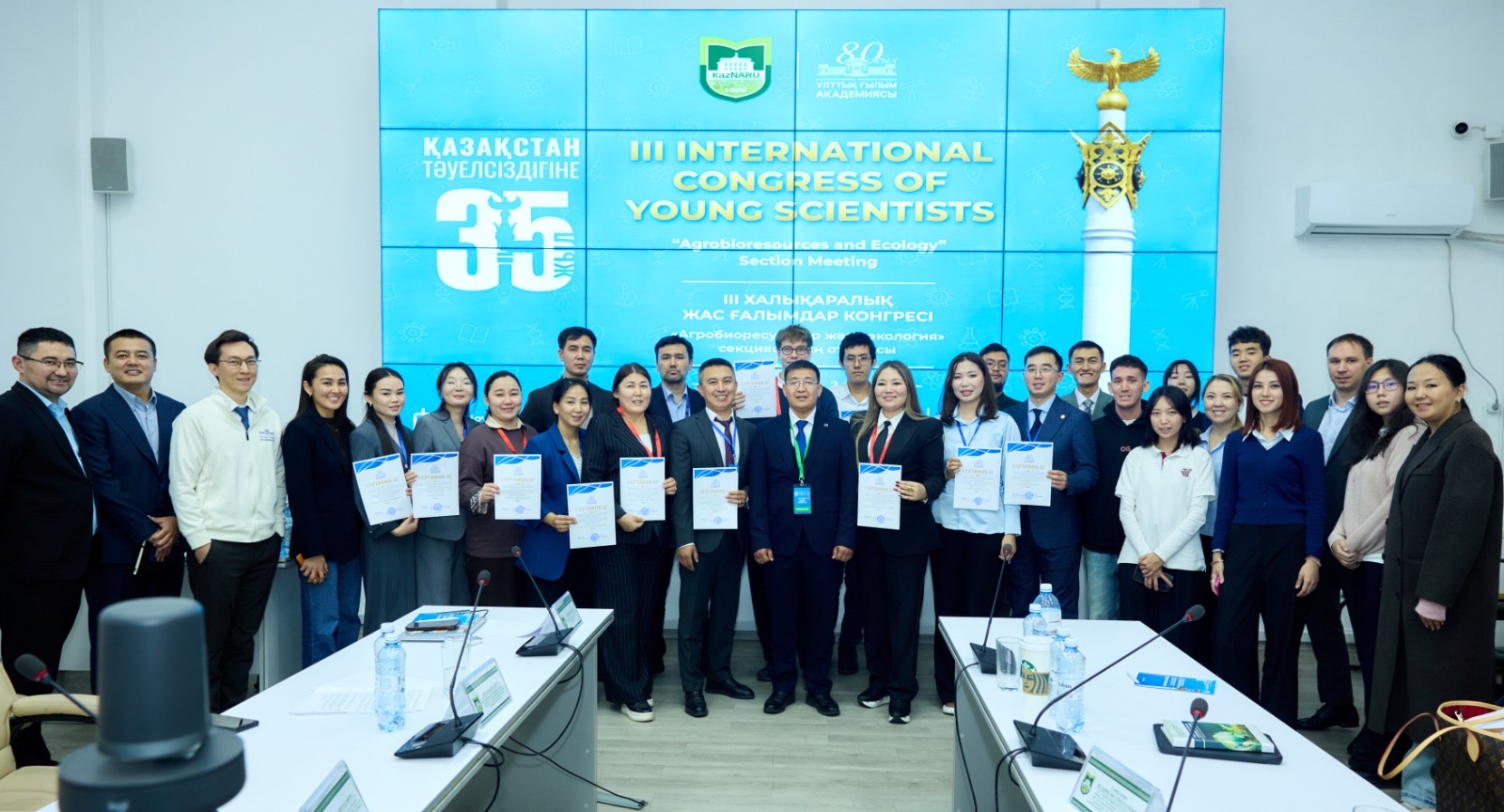
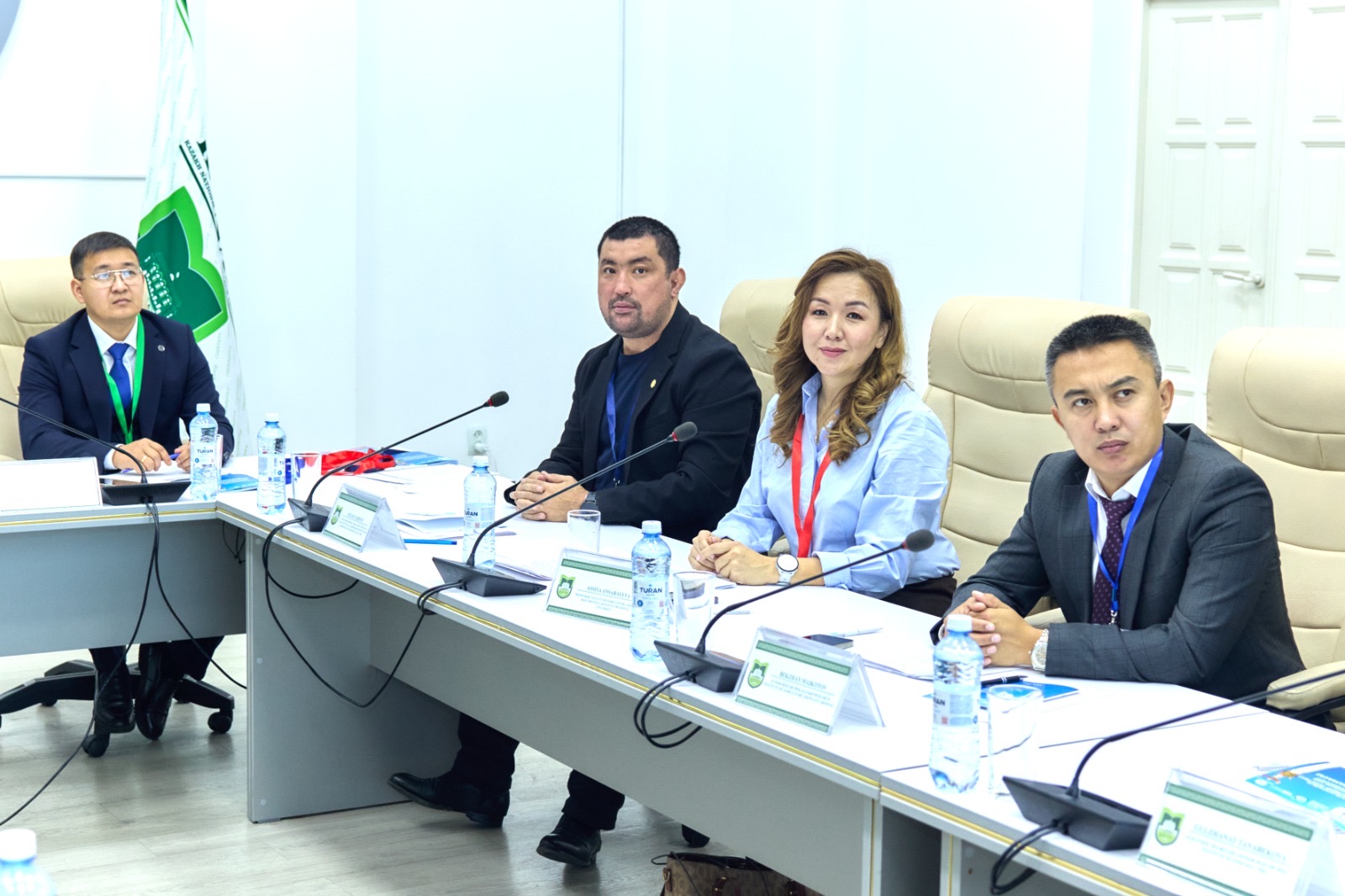
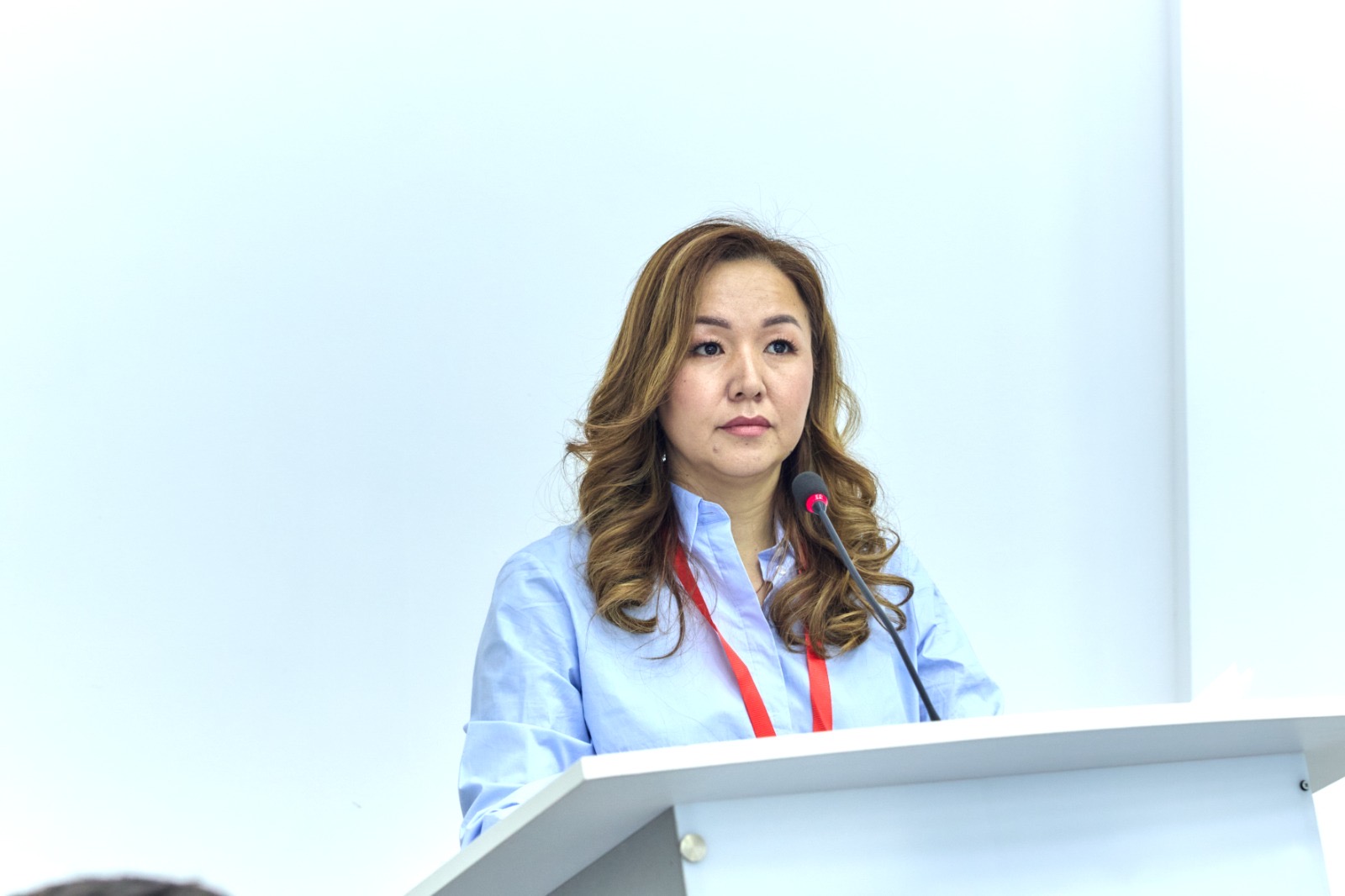
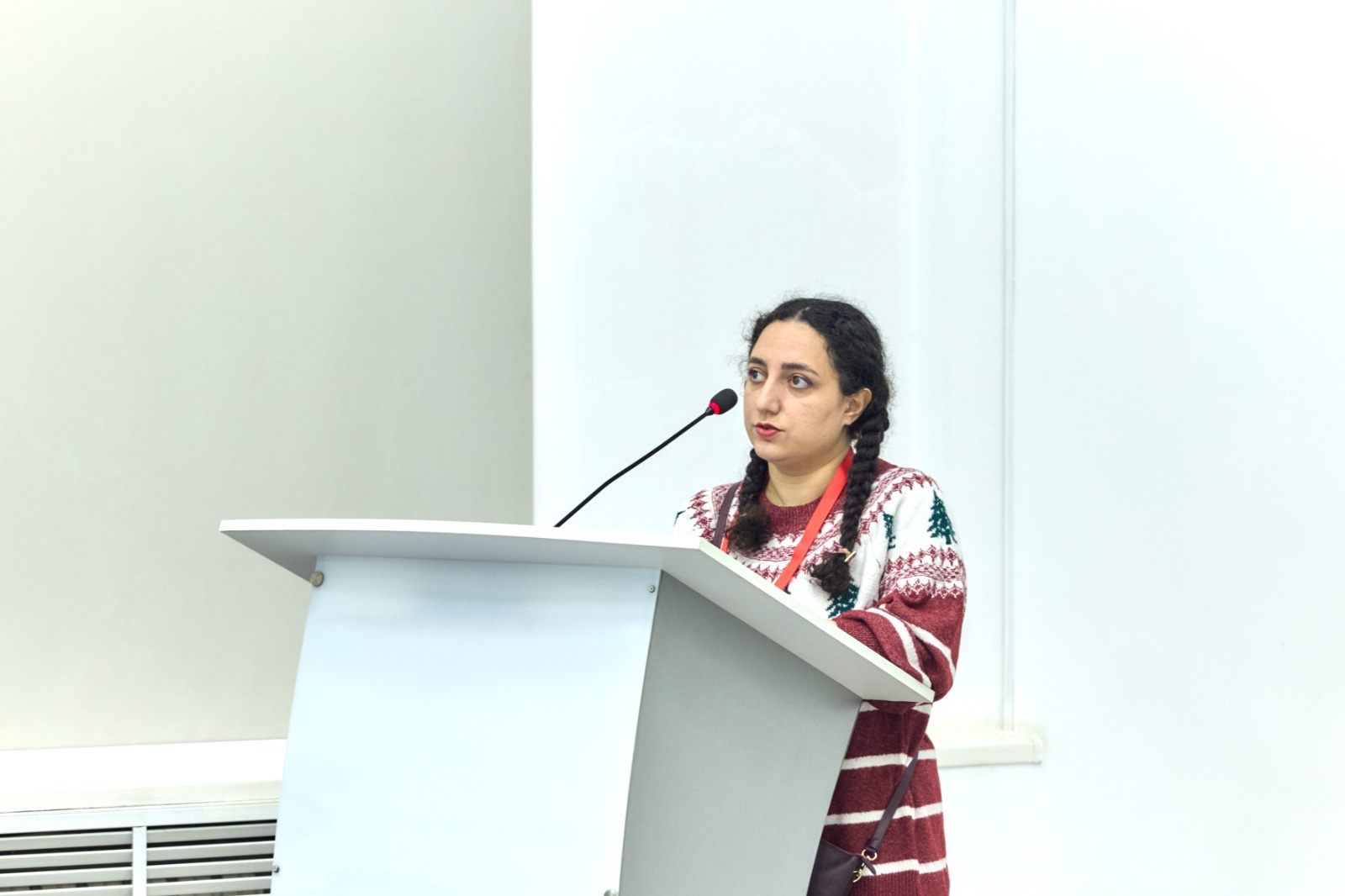
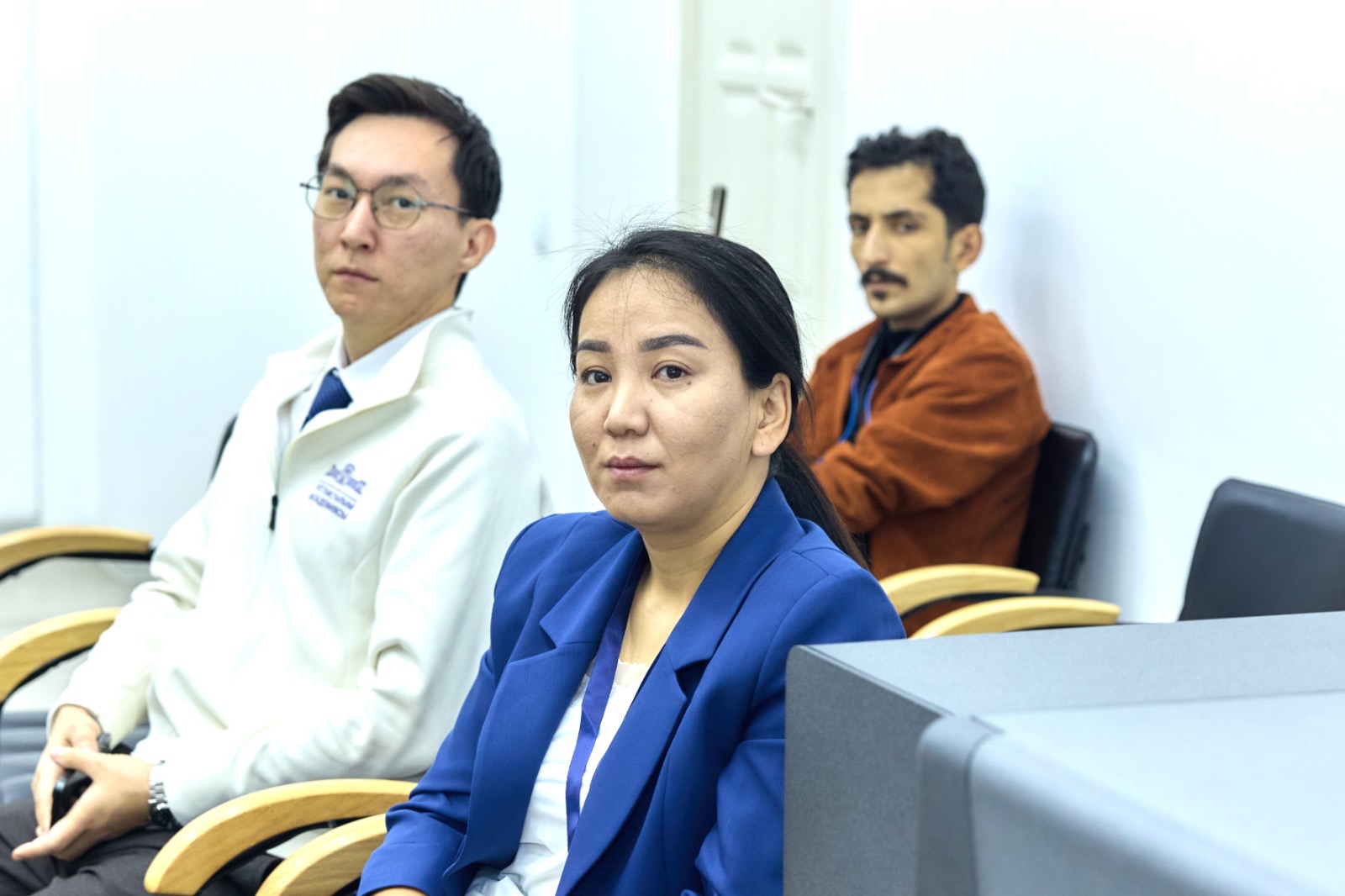
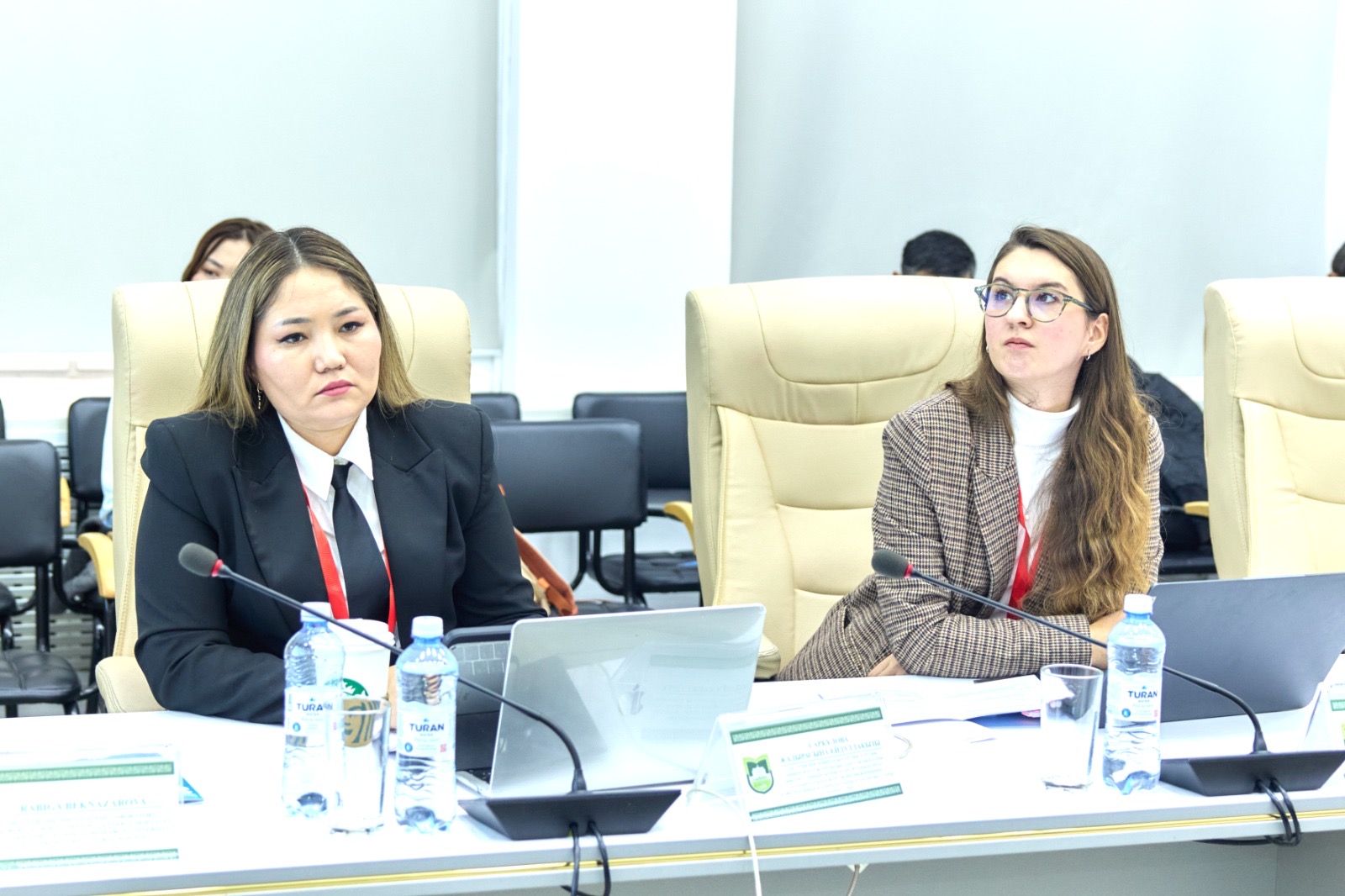
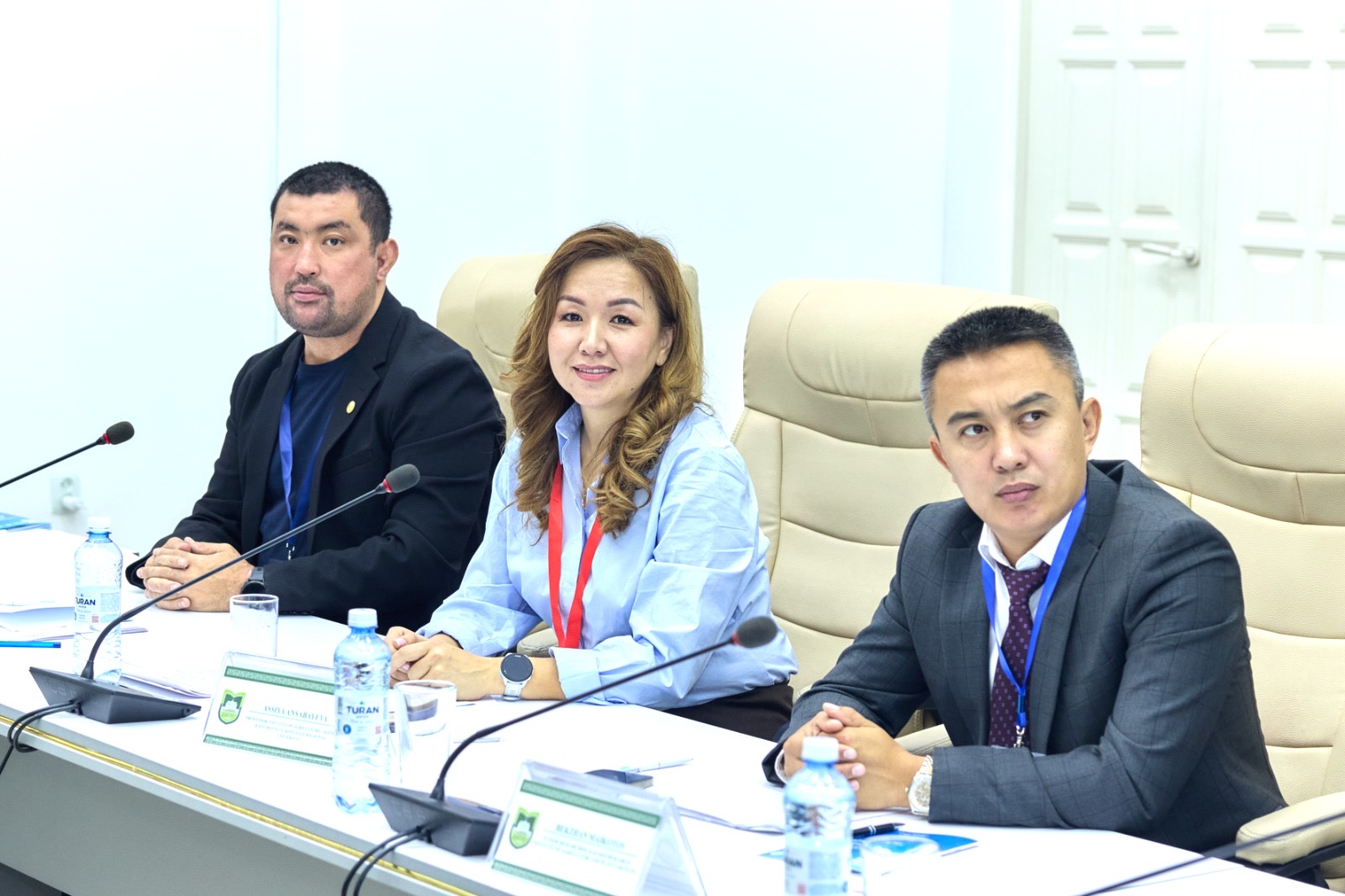
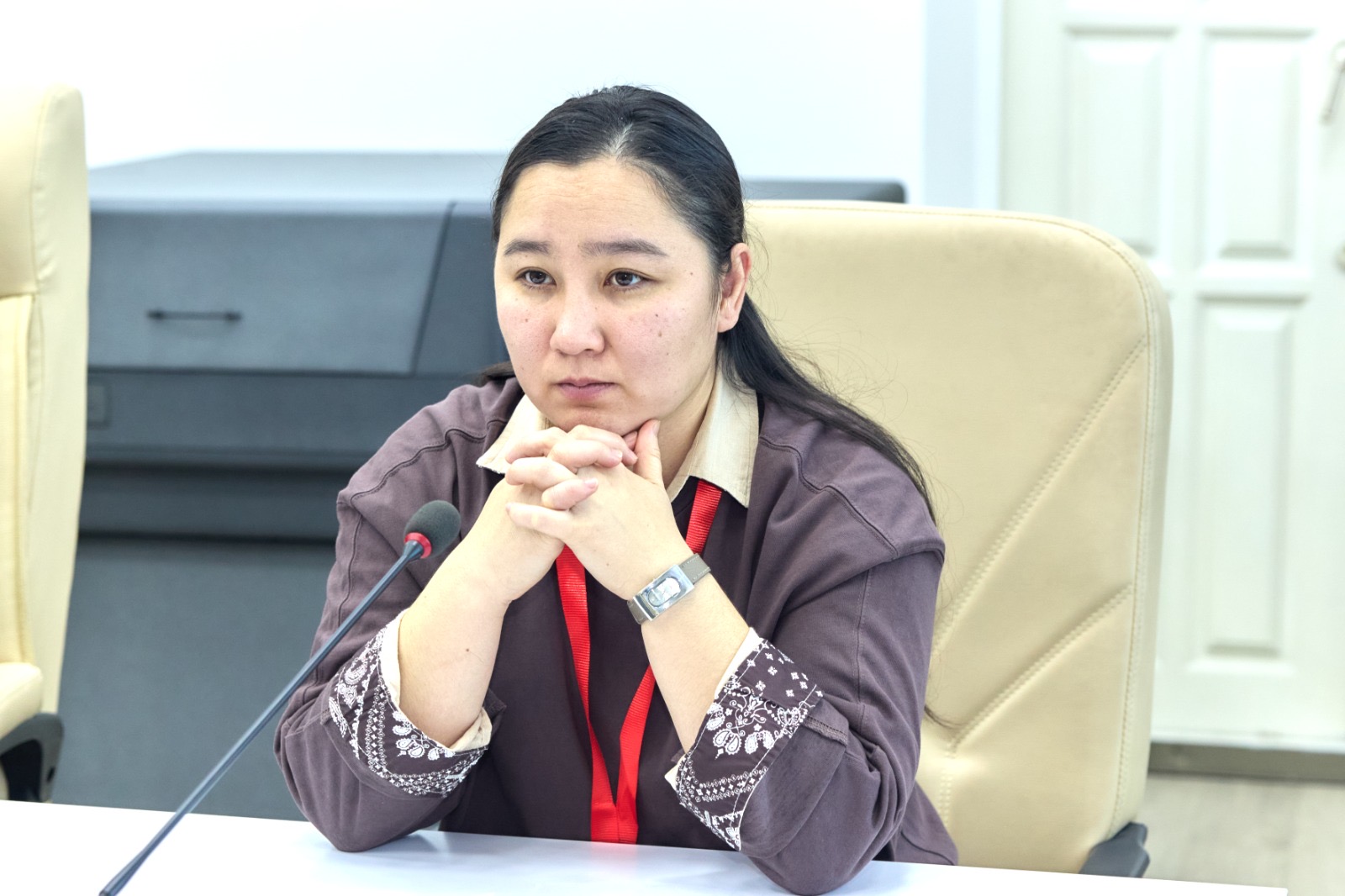
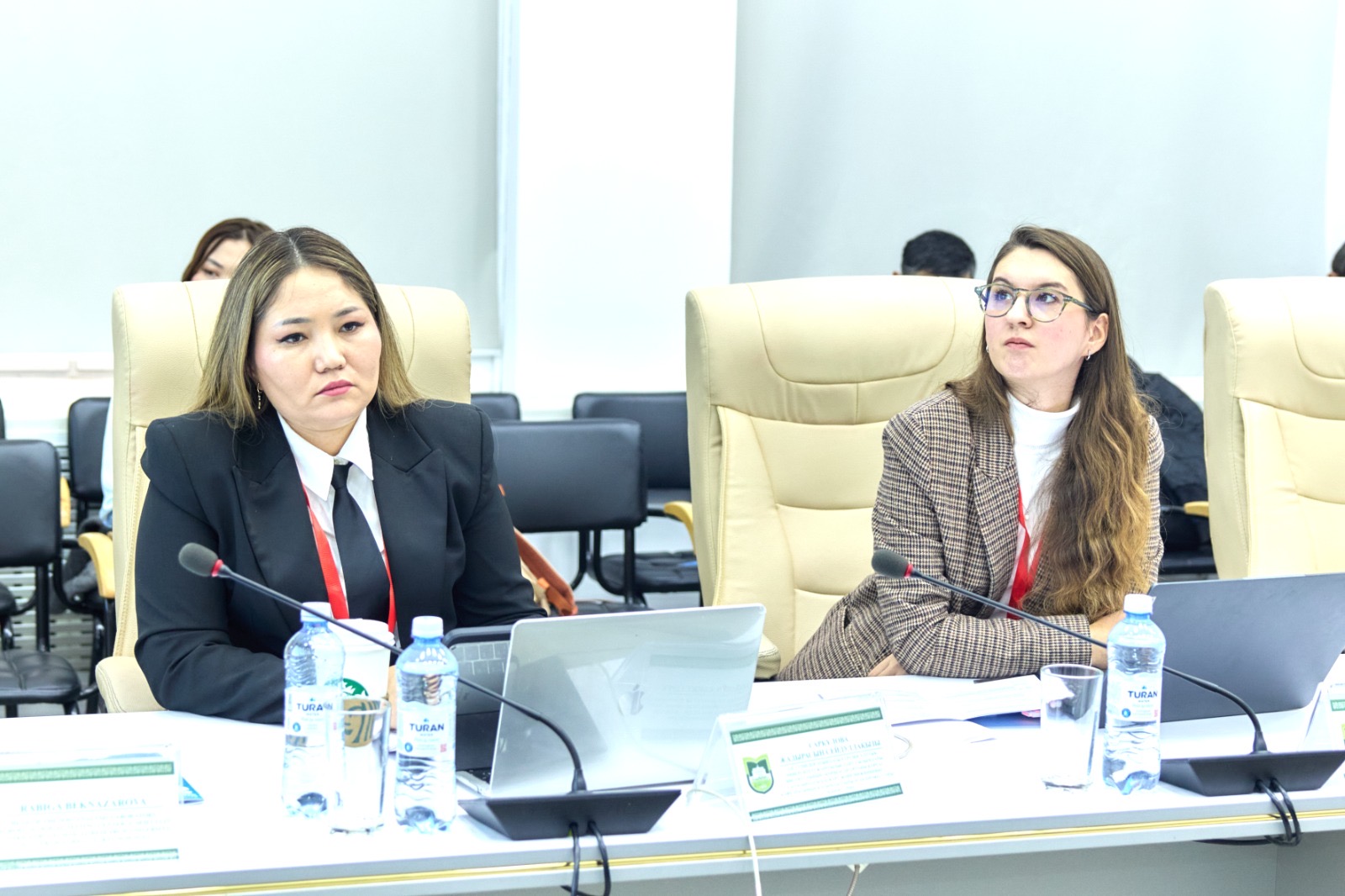
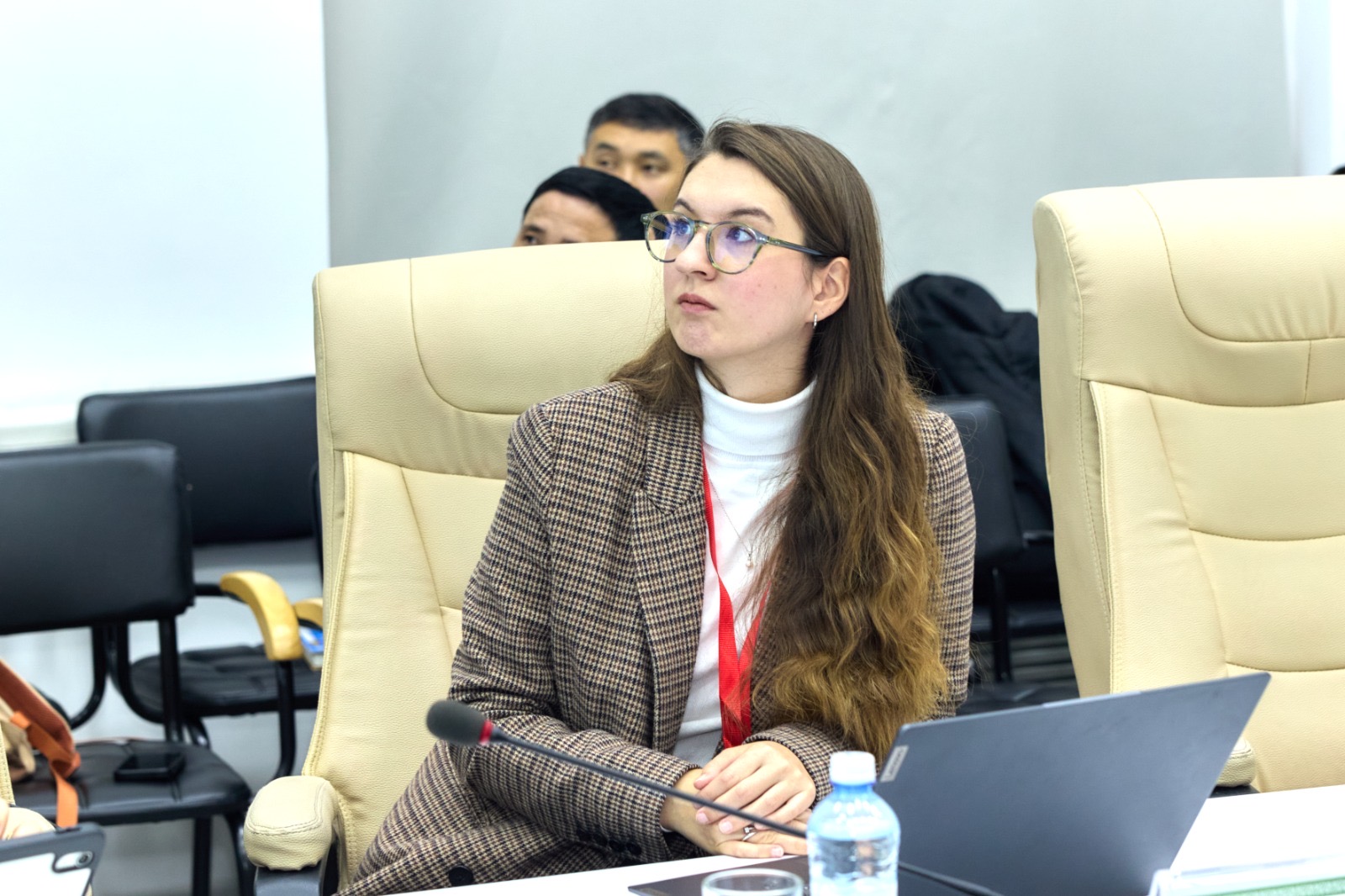
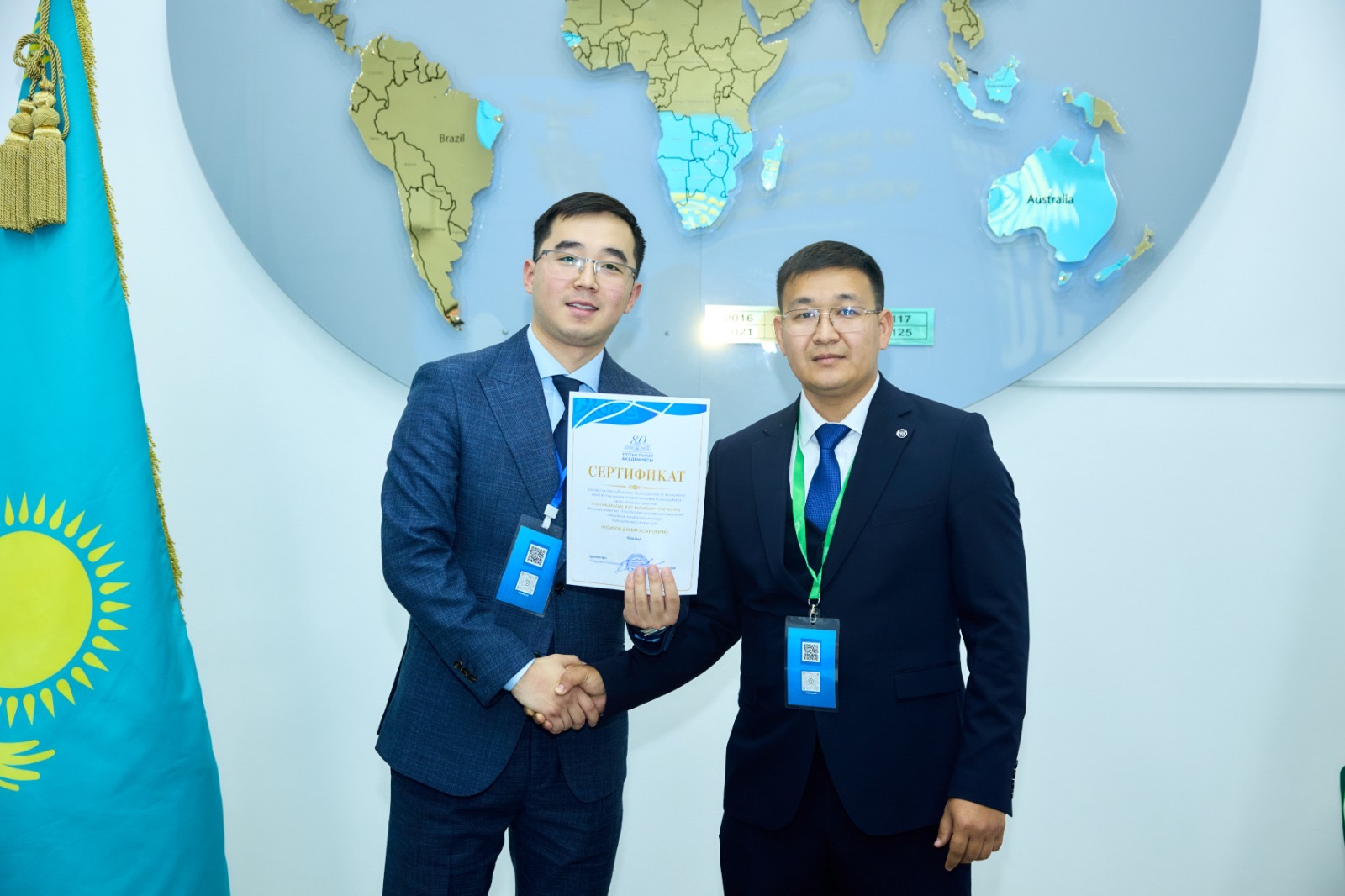
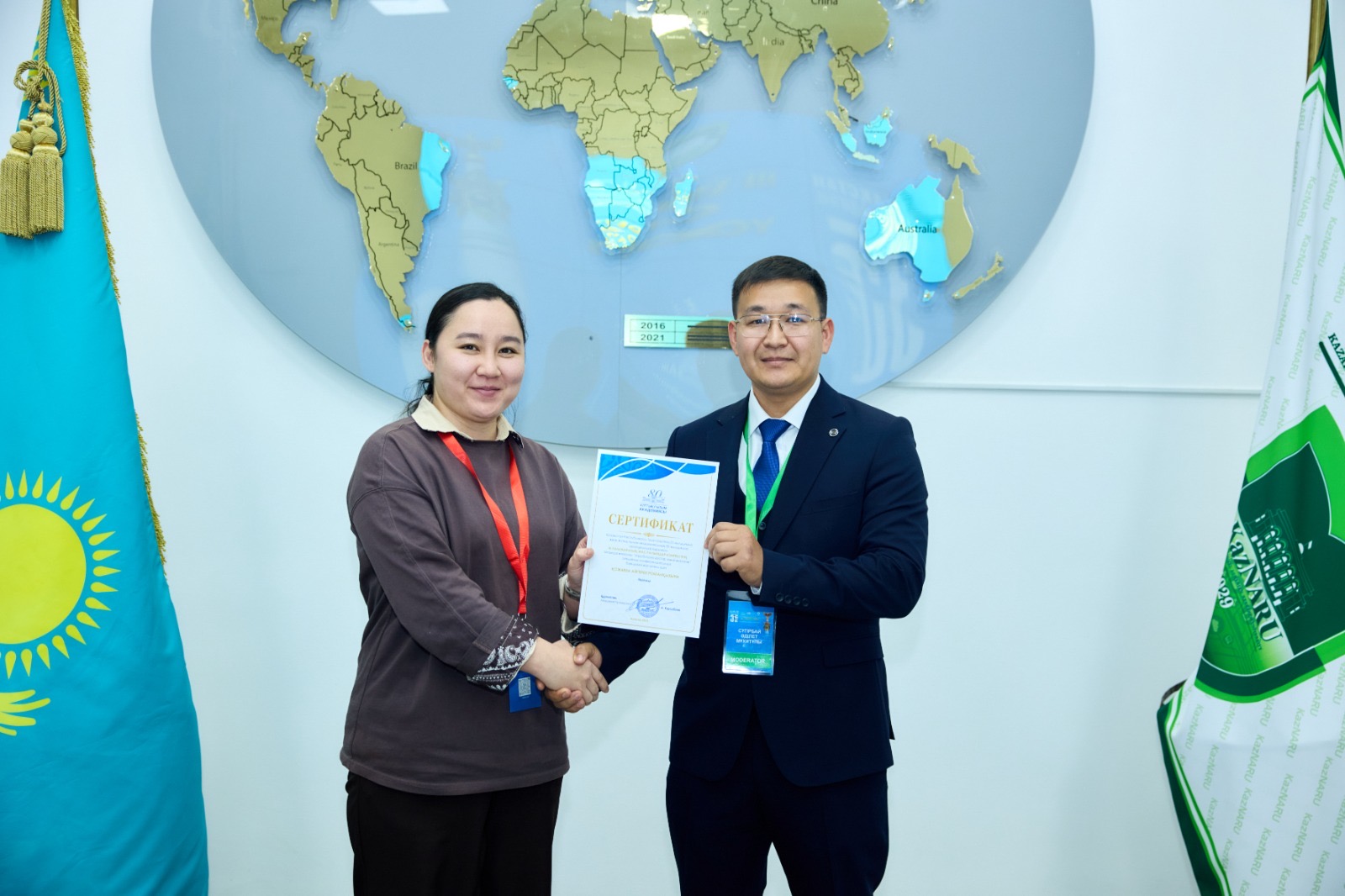
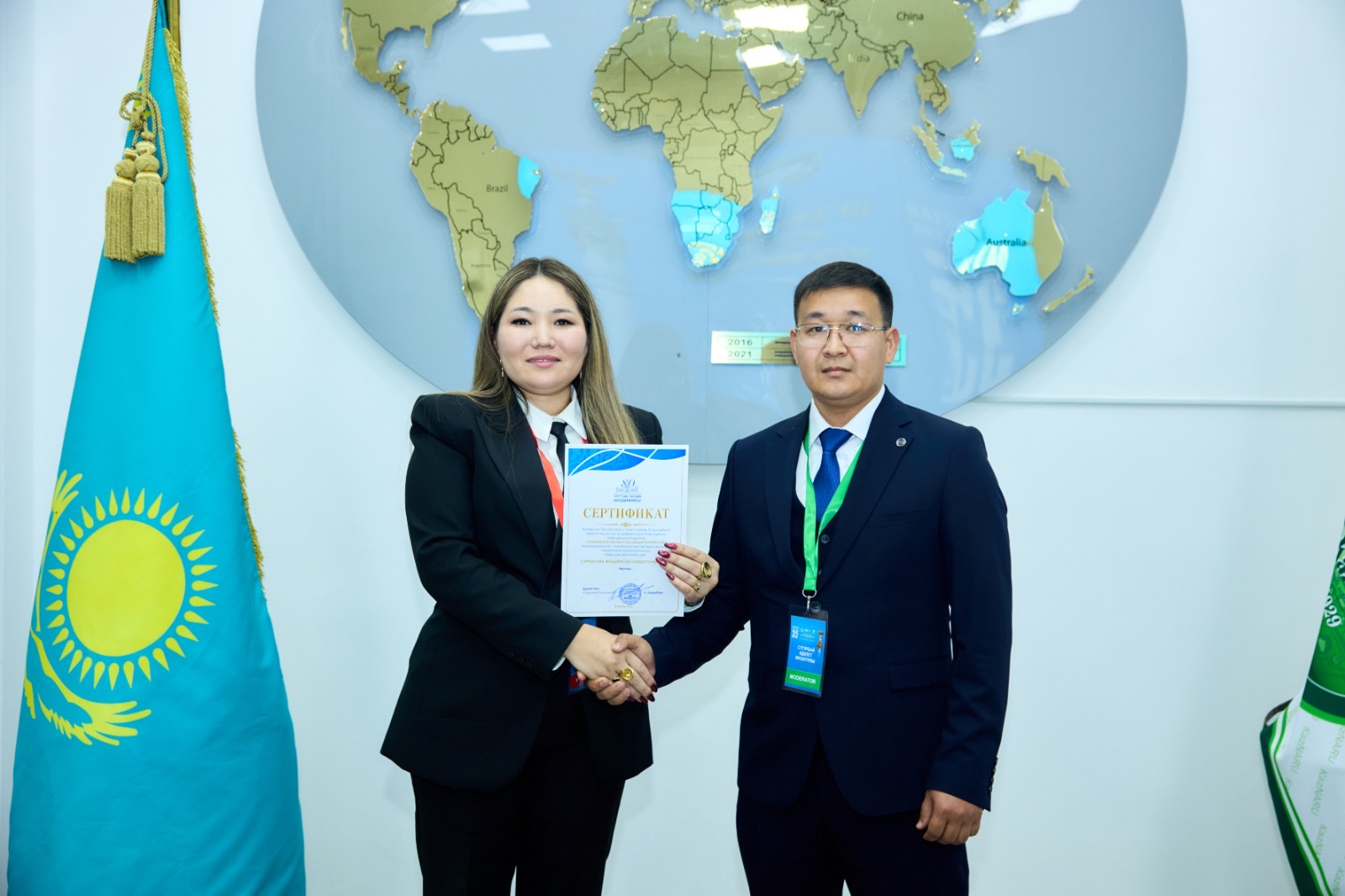
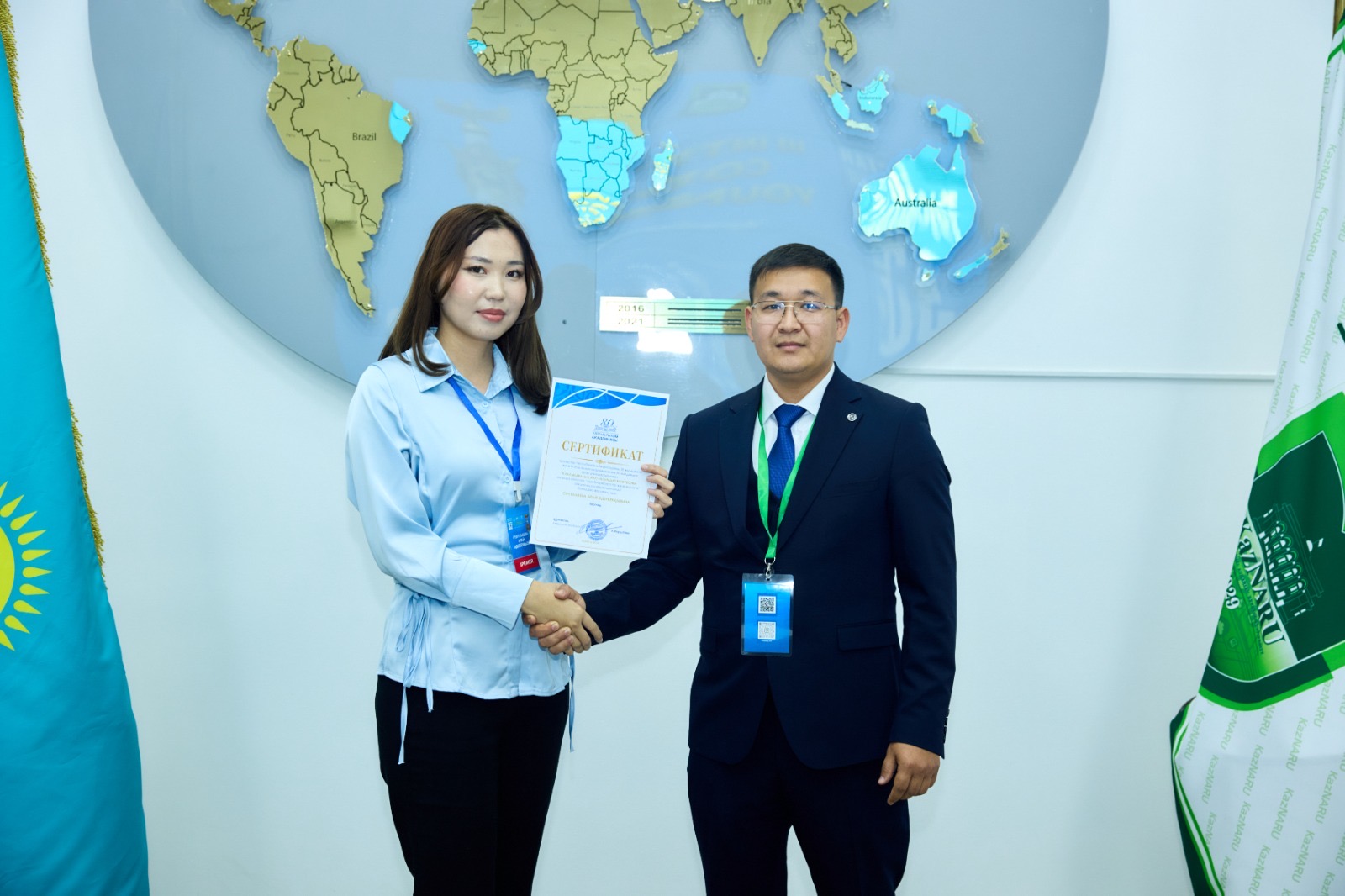
On 12–13 November 2026, the National Academy of Sciences hosted the III International Congress of Young Scientists, dedicated to the 35th anniversary of the Independence of the Republic of Kazakhstan and the 80th anniversary of the National Academy of Sciences. The two-day event brought together more than 1,000 researchers from over 35 countries.
On 12 November, the plenary session of the Congress was held in the morning, followed in the afternoon by the plenary forum “AI for Science: A New Era of Scientific Discovery”. On the second day, the Congress continued at six universities in Almaty across five research areas.
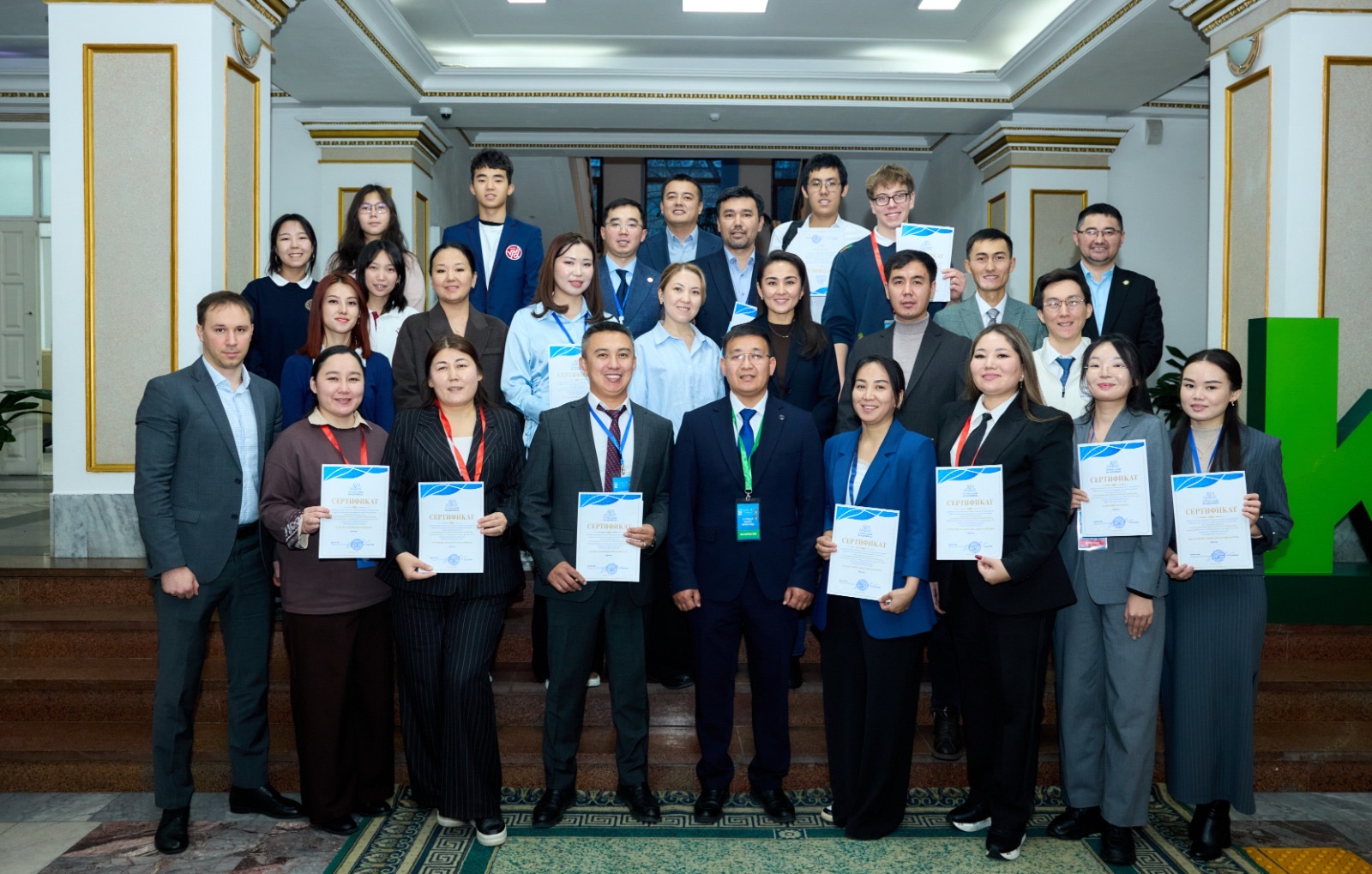
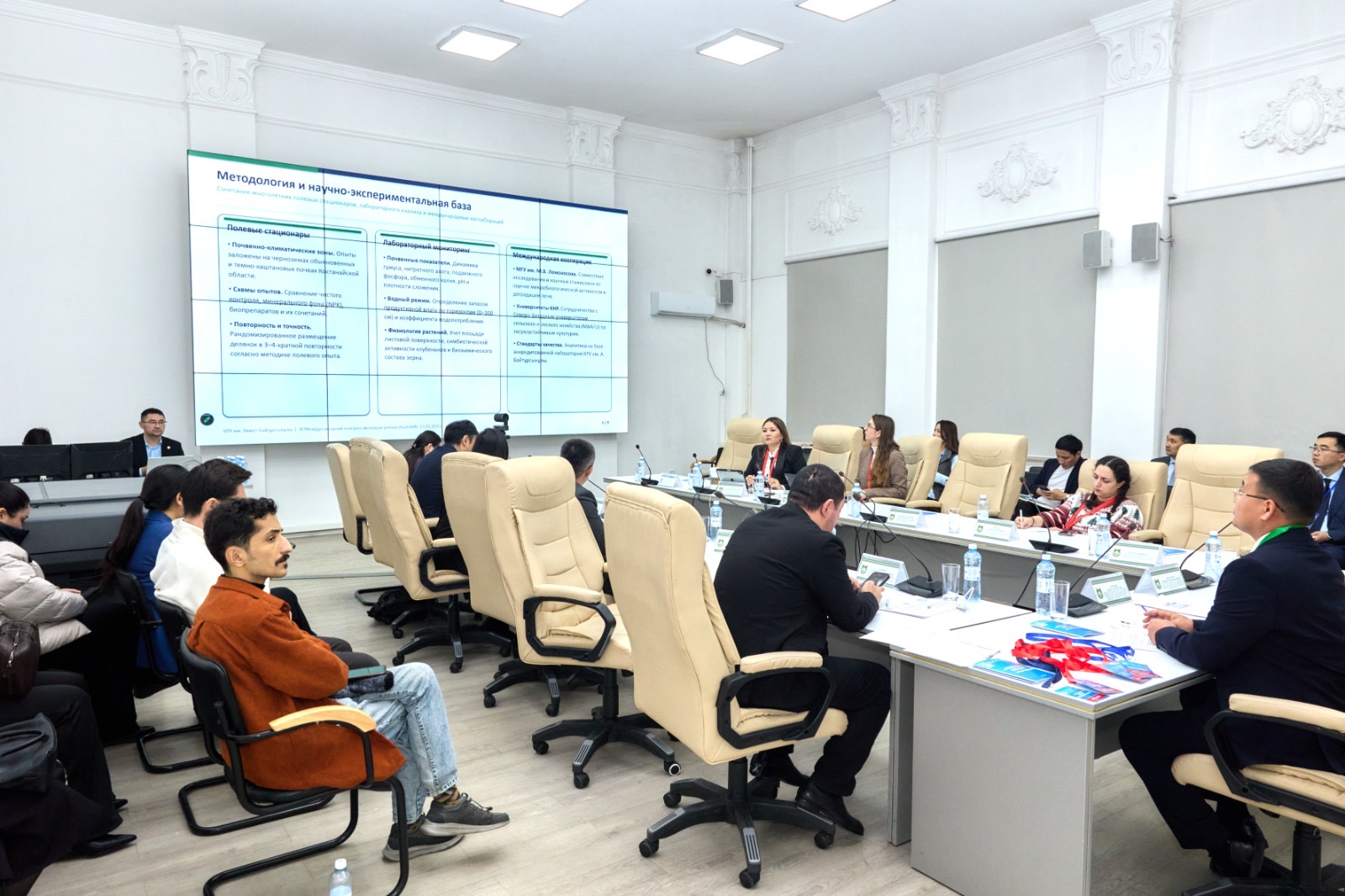
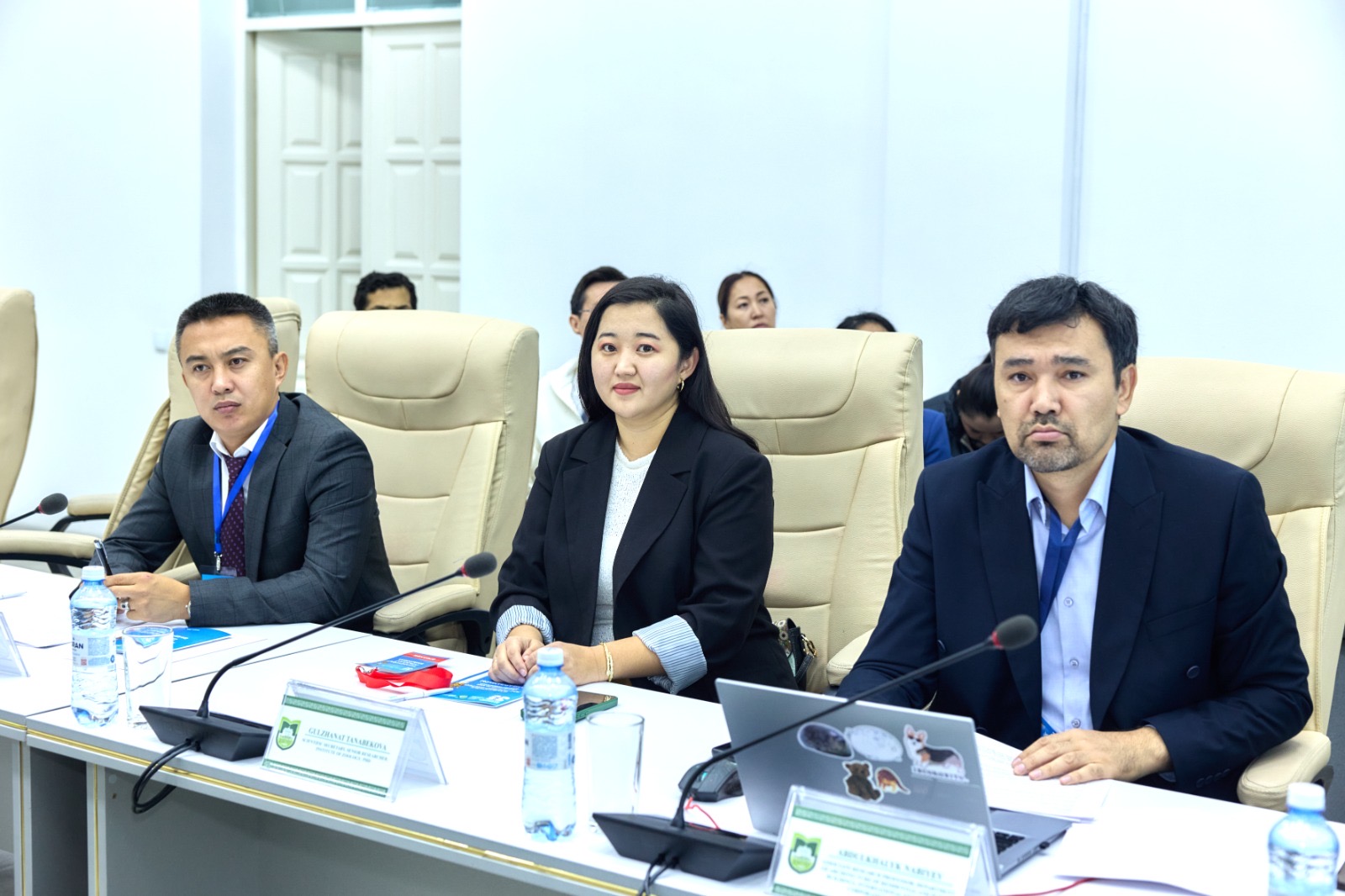
On 13 November, the Kazakh National Agrarian Research University (KazNARU) hosted the scientific conference “Agrobioresources and Ecology”.
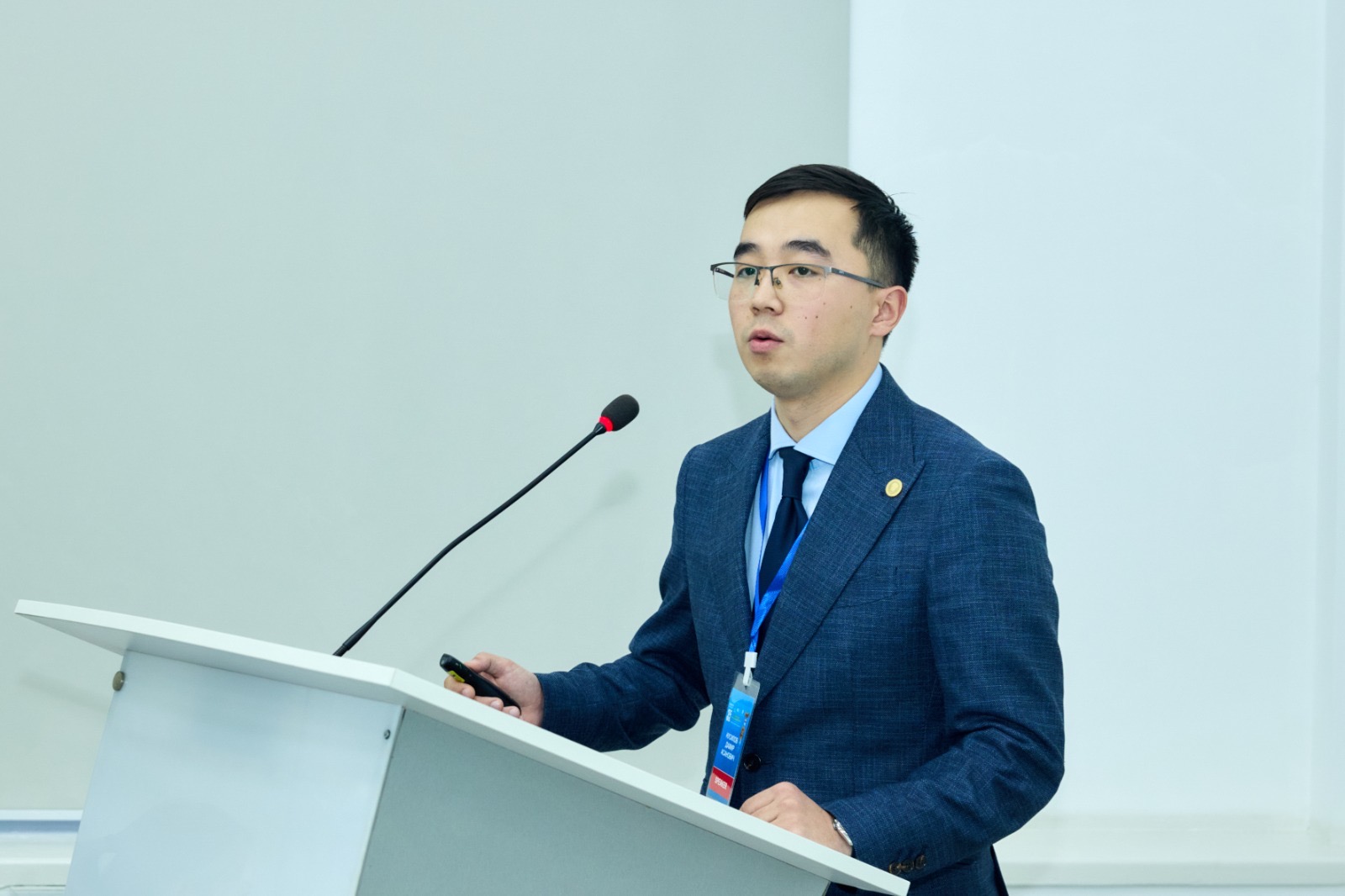
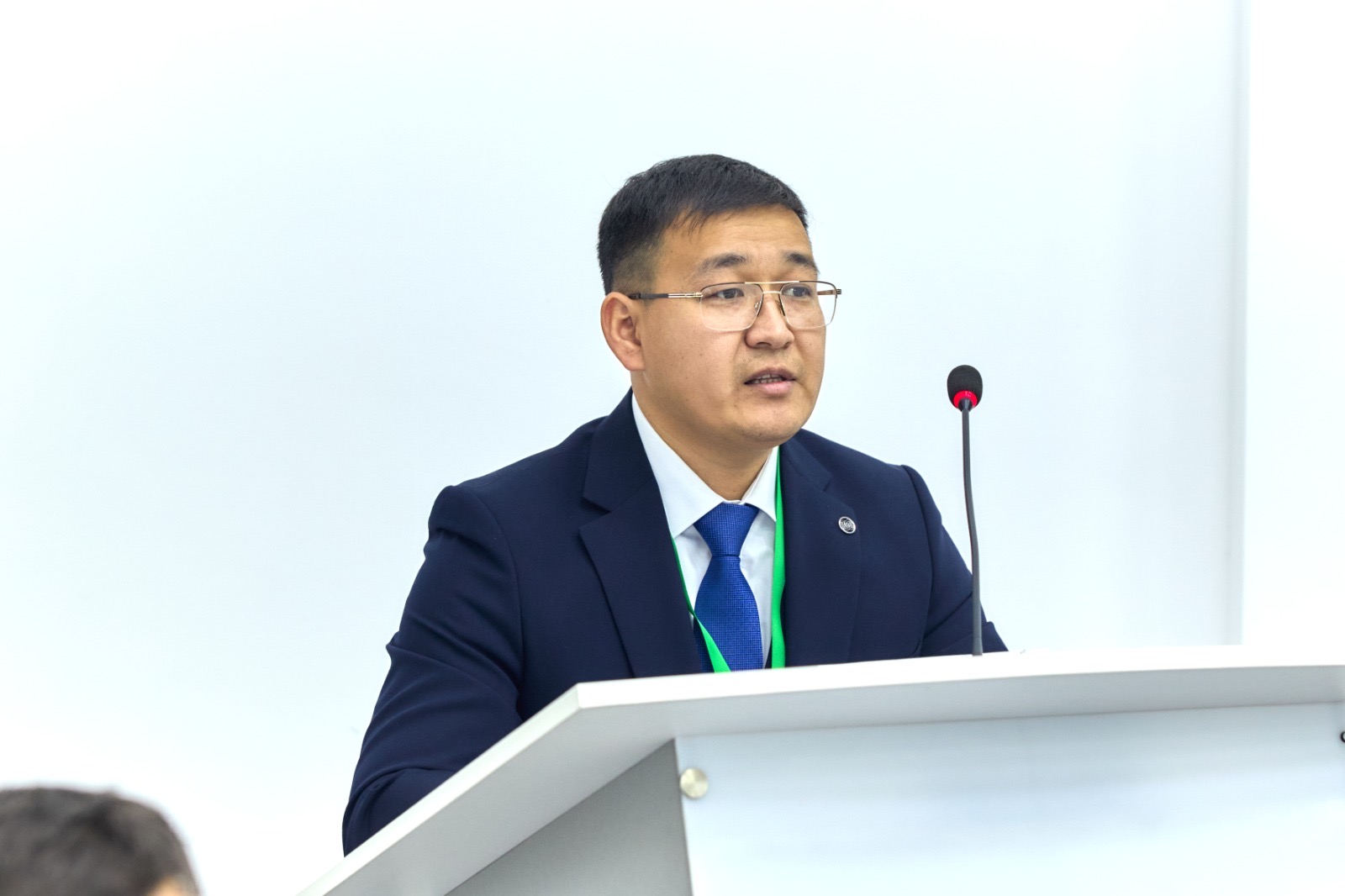
The conference took place at the Situation Centre in the main building of KazNARU in a hybrid format, both on-site and online. Young scientists from leading universities and research institutes in Kazakhstan, as well as from Russia and Iran, participated in the event, during which 18 presentations were delivered. The session was moderated by Adilet Sugurbay, a member of the Council of Young Scientists of the National Academy of Sciences of the Republic of Kazakhstan under the President of the Republic of Kazakhstan and Director of the Innovation Development Centre at Shakarim University.
During the expert session, Nadezhda Molokitina, Deputy Head of a Research Group at Sirius University of Science and Technology (Russia), examined gas hydrates from the perspectives of environmental risks and technological breakthroughs. Anna Shiker, a PhD student at the same university, presented rational strategies in microbial biotechnology and their main results. Maryam Sadat Tonekaboni, representing the USERN international research network (Iran), spoke about converting agricultural waste into valuable chemical products through green chemistry approaches.
Zhadyrassyn Sarkulova, Associate Professor at L.N. Gumilyov Eurasian National University, drawing on research conducted at Pennsylvania State University (USA), discussed innovative approaches to remediating contaminated soils with biochar and compost. Assiya Ansabayeva, Professor at Akhmet Baitursynuly Kostanay Regional University, analysed the role of agroecological research in sustainable agricultural development. Aigerim Kozhayeva, Head of Shakarim Lab at Shakarim University, presented findings on the diversity of gastrointestinal parasites in saiga antelopes of the Ural population. Sultan Tazhiyev, Leading Researcher at the U.M. Akhmedsafin Institute of Hydrogeology and Geoecology, addressed groundwater issues and the sustainable development of Almaty.
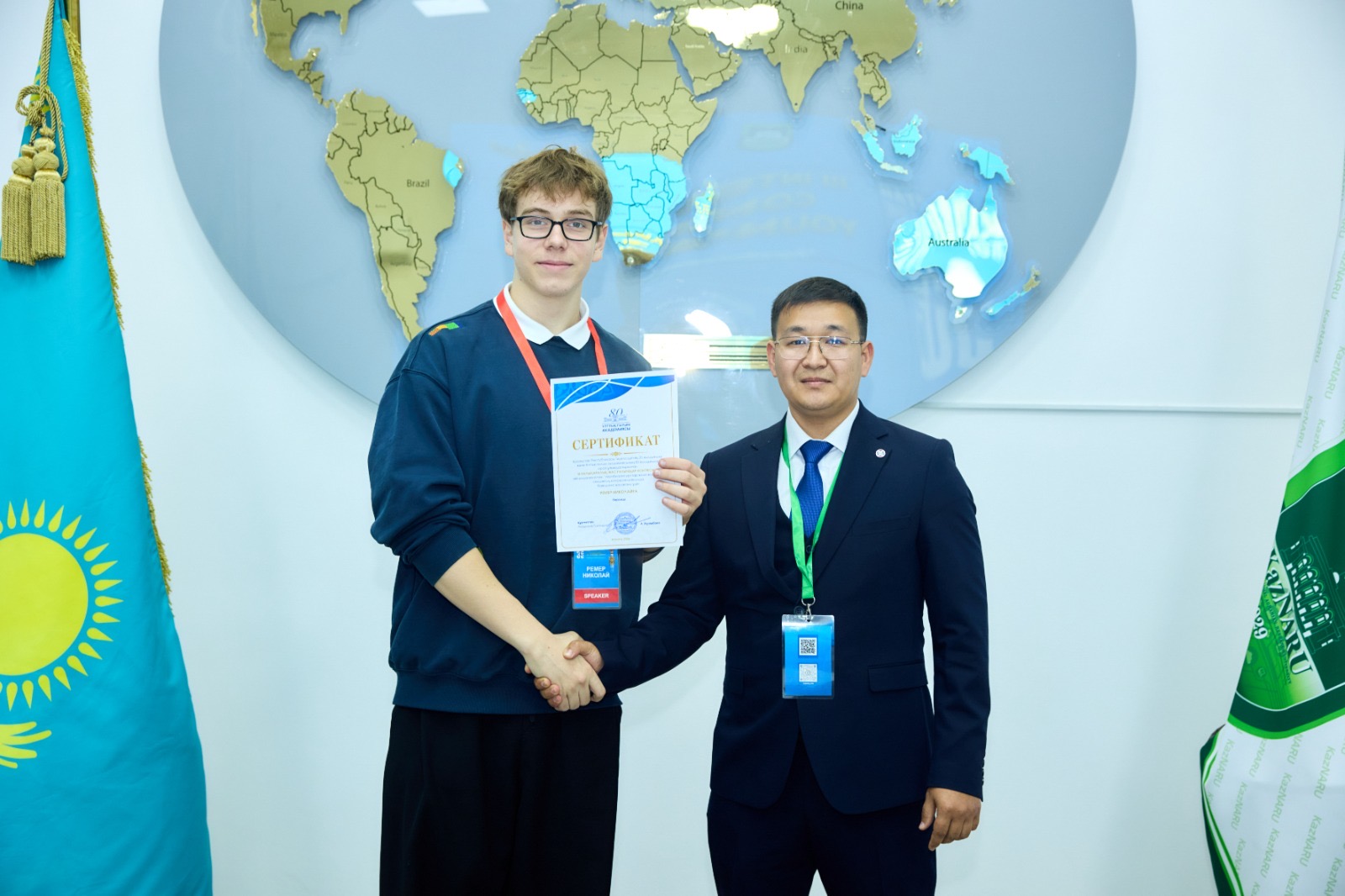
The session also covered insect pests of Sievers’ apple, molecular markers in soybean breeding, genetic diversity of livestock, trace elements and organic carbon in Kazakhstan’s chernozems, the effects of fertilisers on the agrochemical properties of irrigated soils, polychlorinated biphenyls in aquatic ecosystems, modern agricultural machinery for grain crops, urban development morphology and aeration of urban environments, and biotechnological processing of low-grade coal. The youngest speaker at the session, Nikolay Remer, a student of Lyceum No. 134 in Almaty, presented a computer-vision-based system for assessing plant condition.
Following the III International Congress of Young Scientists, a resolution will be adopted documenting the important proposals and decisions presented during the event on the development of national science, the transfer of advanced foreign technologies and the commercialisation of scientific research. The document will be submitted to the relevant authorities and to the deputies of the Kurultai of the Republic of Kazakhstan. The presentations delivered at the conferences and the plenary forum will form the basis for a published collection of abstracts from the III International Congress of Young Scientists.