FOOD OF THE FUTURE: THE KazNARU TECHNOLOGISTS’ VERSION
Food of the future is a concept that continues to evolve in response to numerous global challenges, from climate change and population growth to new scientific discoveries and technologies.
Today, not only new food products are emerging, but also modern production methods that can radically change the way we perceive food and nutrition in general.
Amid intensive population growth and environmental degradation, traditional food production methods are becoming increasingly insufficient.
According to the Food and Agriculture Organization of the United Nations (FAO), by 2050 the world’s population may reach 9.7 billion people, which will require a 60% increase in food production to meet growing demand. This creates additional pressure on natural resources and calls for more sustainable and innovative solutions.
Technologies such as bioengineering, 3D food printing, and food synthesis using electricity are already being actively introduced into everyday life. Therefore, their impact on the future of food security cannot be underestimated.
Plant-based meat, laboratory-produced proteins, freeze-dried and powdered foods are no longer just fashionable trends, but necessary steps toward preserving the planet and improving the quality of nutrition.
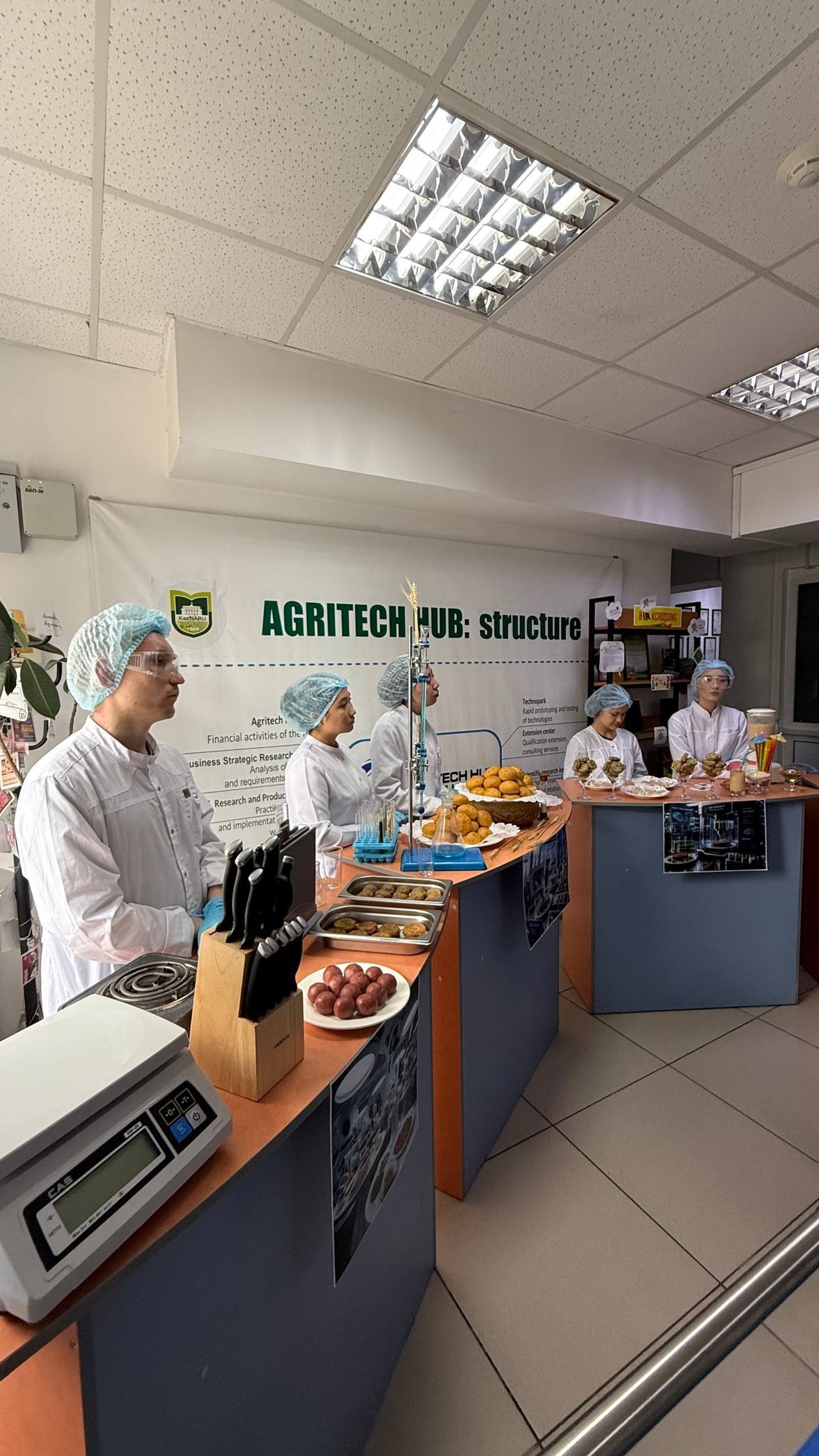
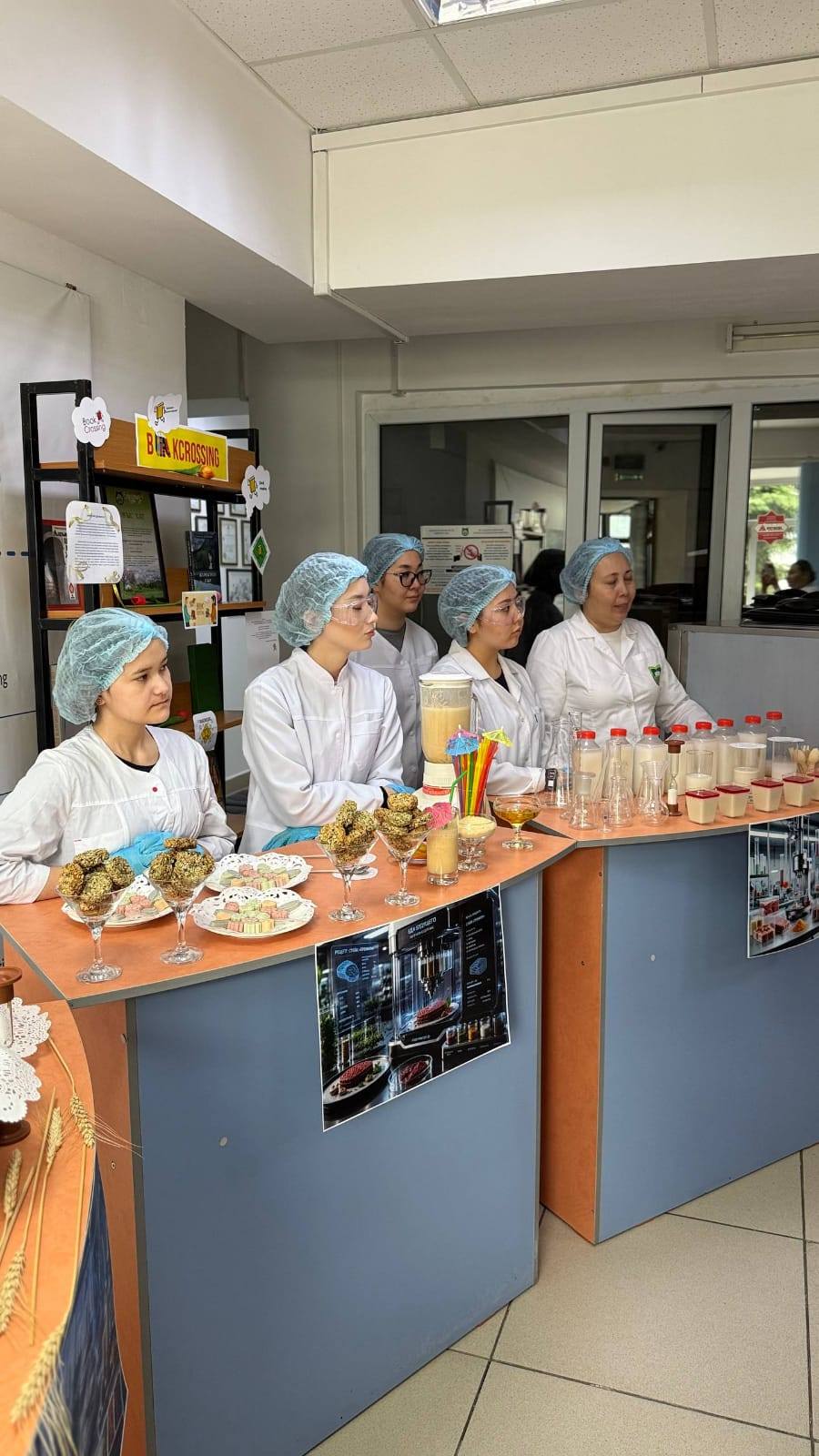
In this regard, as an innovative response to population growth, resource scarcity, and environmental challenges, young technologists of KazNARU developed a number of new product recipes at the accredited Scientific and Educational Innovation Center for Food Product Technology and Quality.
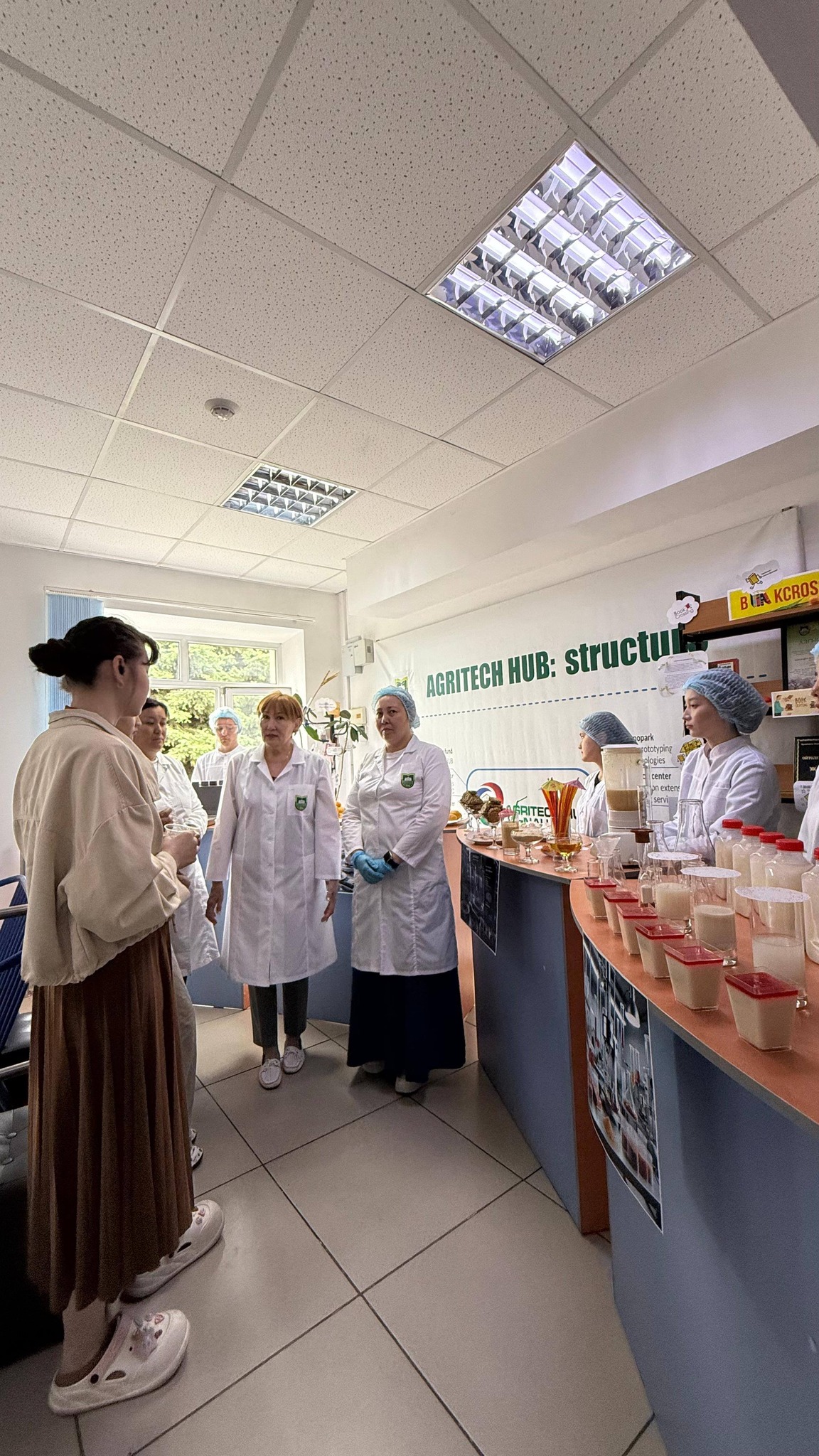
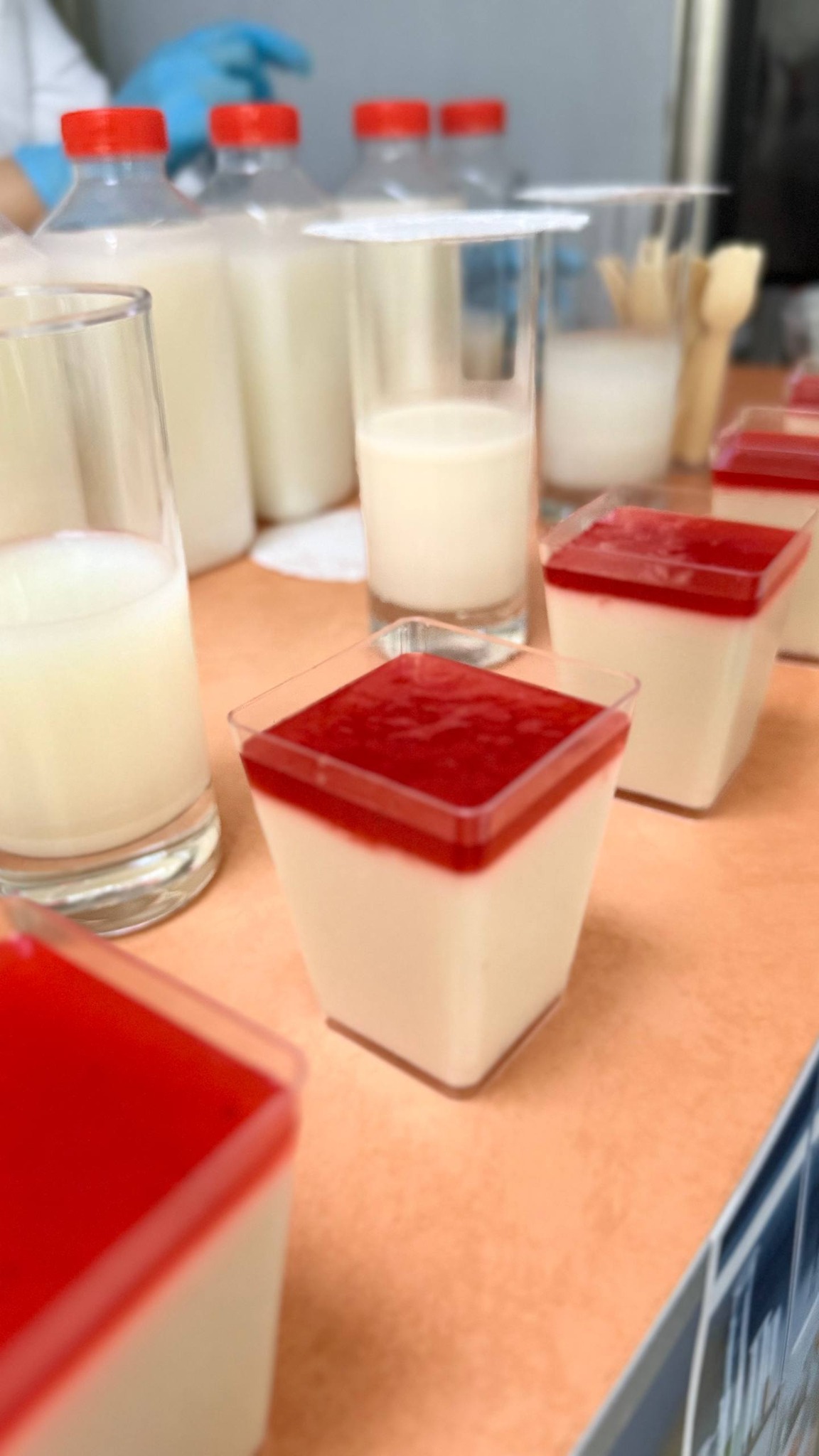
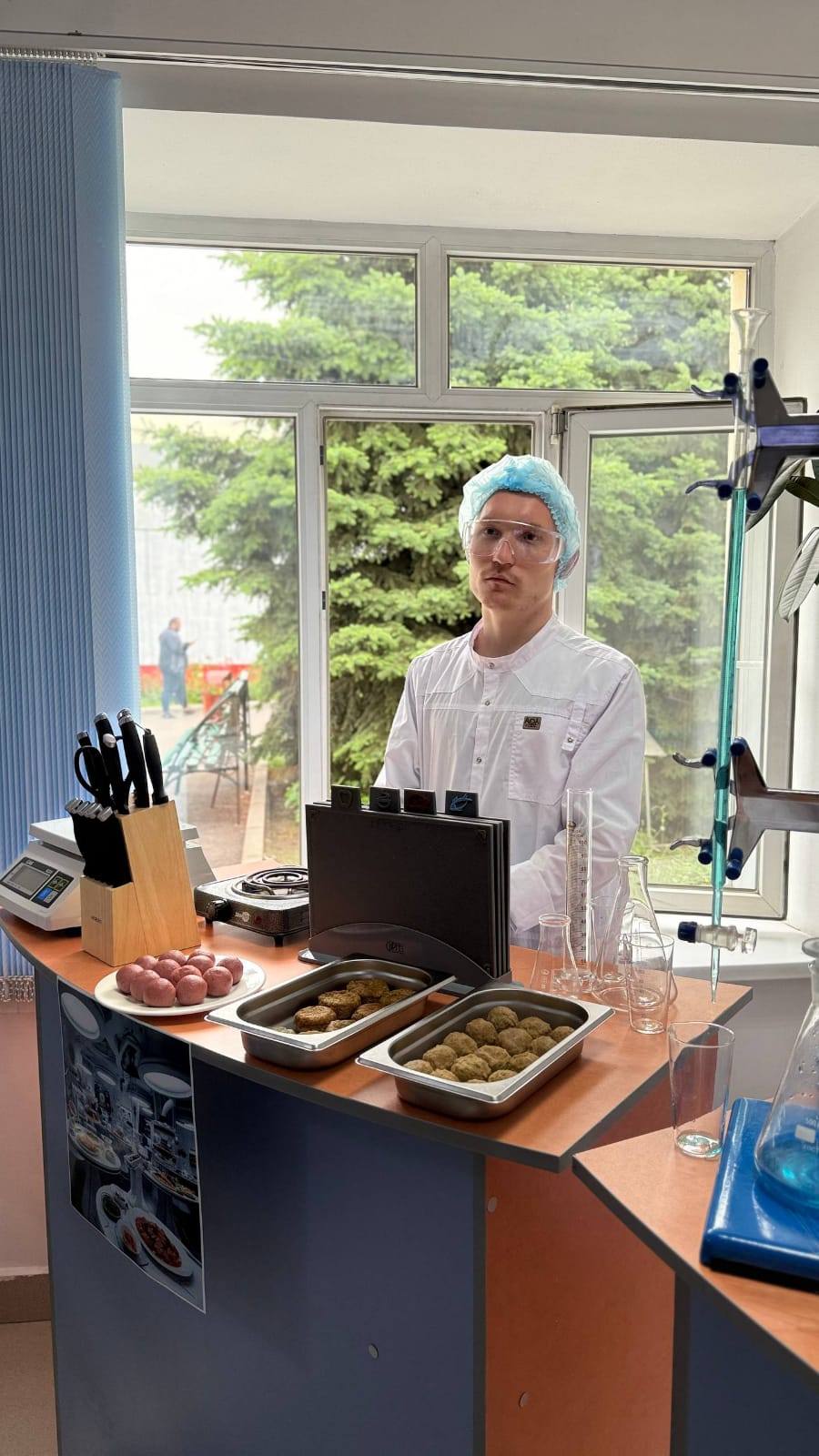
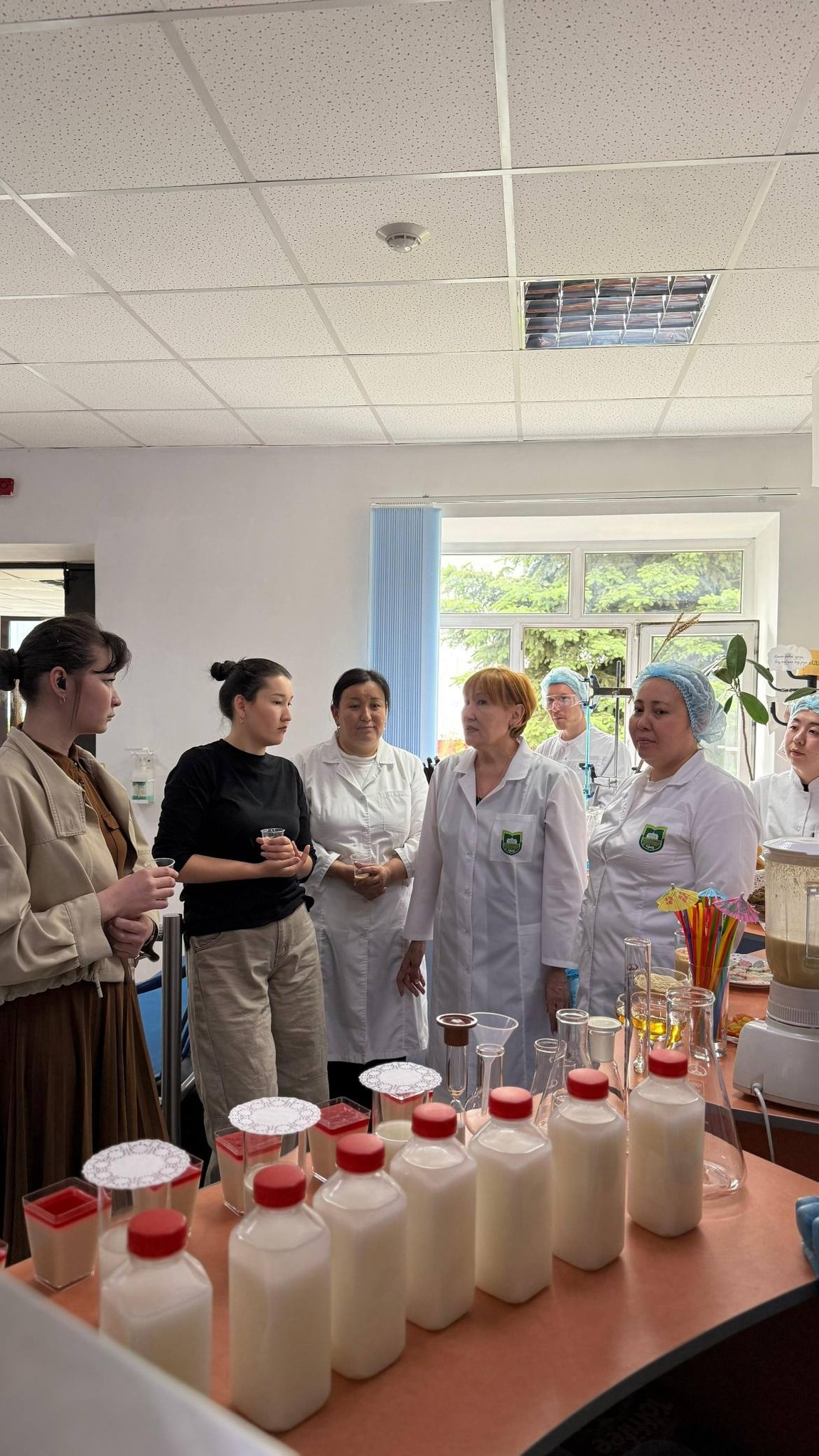
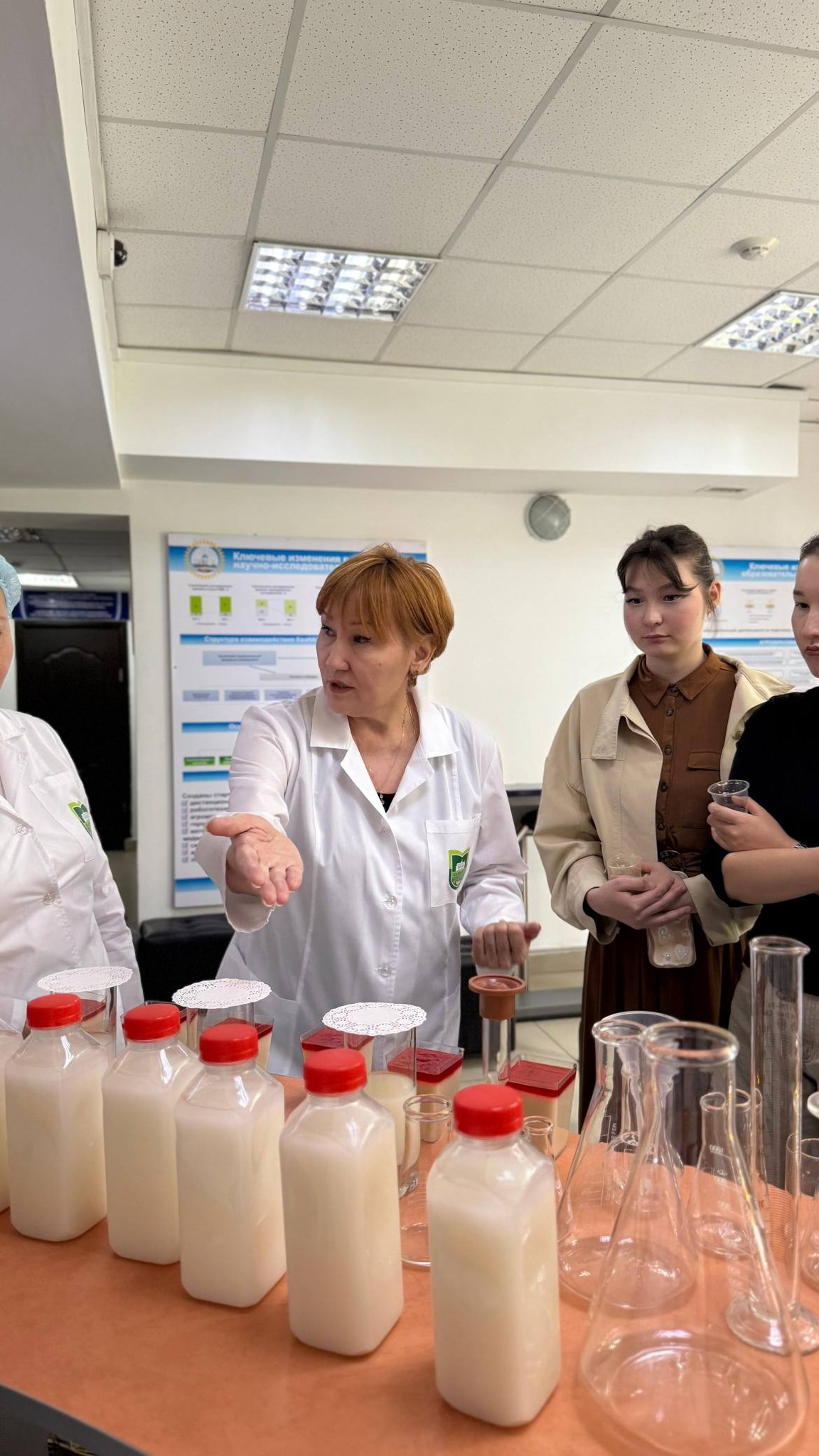
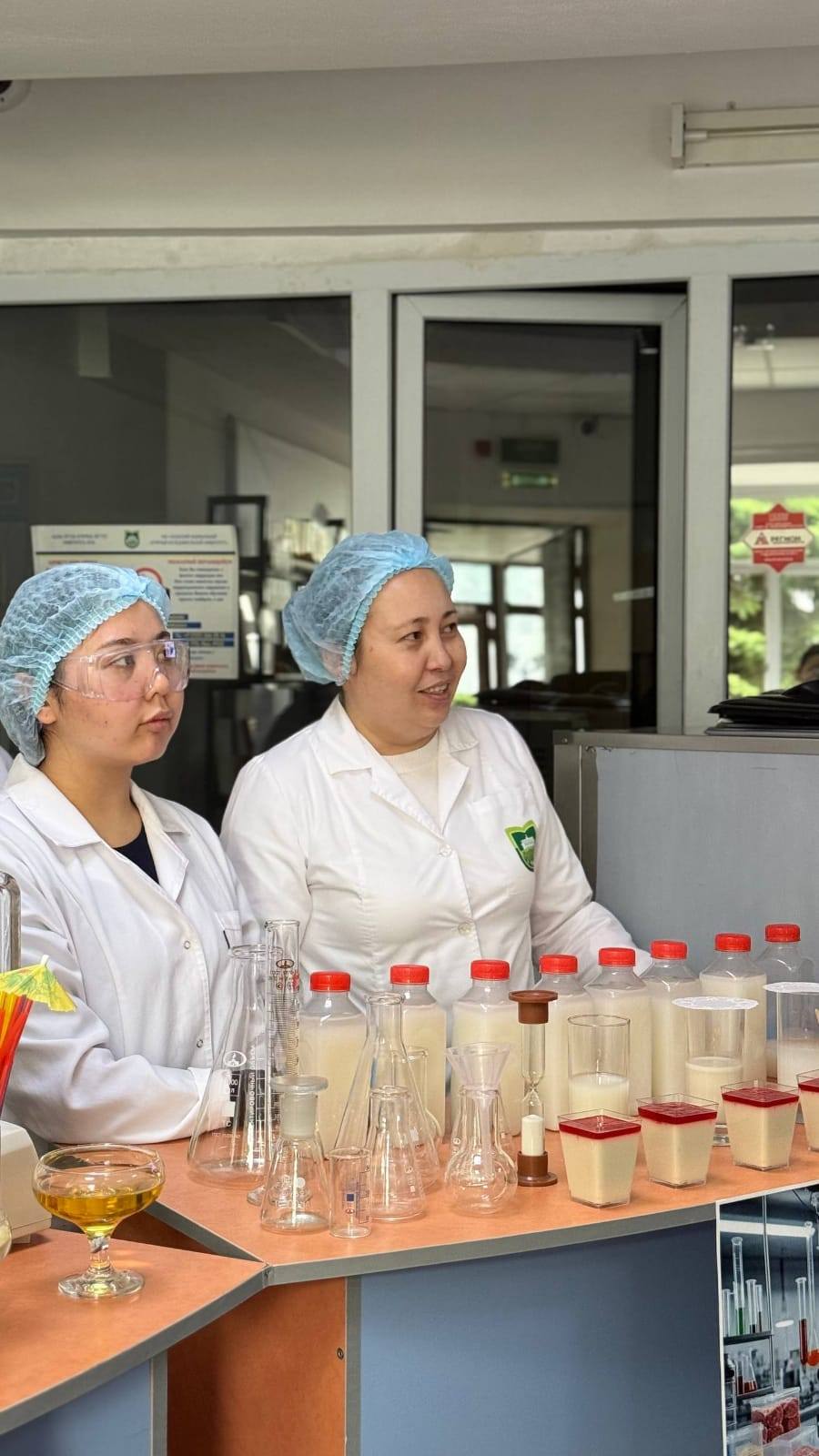
In particular, they developed plant-based milk using cereal crops, including rice, and oilseed crops, including peanuts. A recipe for plant-based meat was also developed based on plant proteins, particularly soy isolate — a natural highly concentrated plant protein. Corn starch was added to form the product’s consistency, while beetroot juice was introduced to ensure quality indicators.
Spirulina, a blue-green marine microalga recognized by experts of the World Health Organization and space agencies, including NASA, is considered one of the promising foods of the future. It contains up to 70% easily digestible protein, a complete complex of amino acids, iron, and powerful antioxidants that help combat nutrient deficiencies.
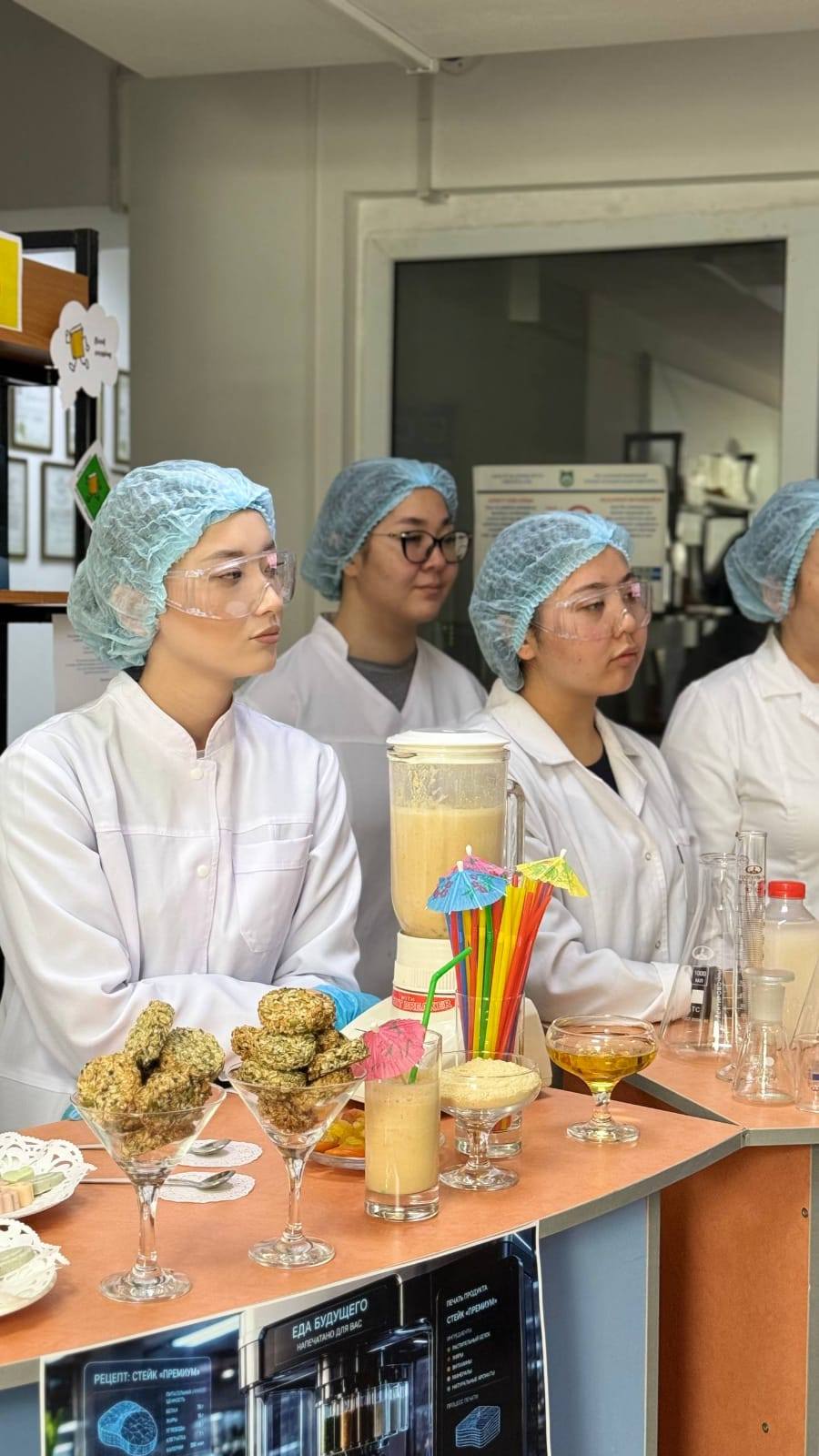
KazNARU students used spirulina to develop recipes for healthy snacks — functional oat-based snacks enriched with plant-based additives.
Powdered food is a convenient product with a long shelf life, gaining popularity due to its compactness and ease of preparation. The powdered food market is expected to grow by 8% annually, driven by increasing interest in healthy and convenient nutrition.
In this context, it is important to note the special role of traditional national products in developing and expanding the range of powdered foods of the future.
The revival of national traditions inspired KazNARU students to create a new-generation recipe — “liquid zhent,” a smoothie based on tary talqan with almond milk to give the product a liquid consistency, as well as natural honey and dried fruits, including raisins and dried apricots, to enrich it with vitamins, microelements, and macroelements.
This raises an important question: is it possible to exclude traditional fluffy baursaks from our diet, and what role will they play in the cuisine of the future? Can this iconic food be replaced, and how will this gastronomic symbol transform in the long term?
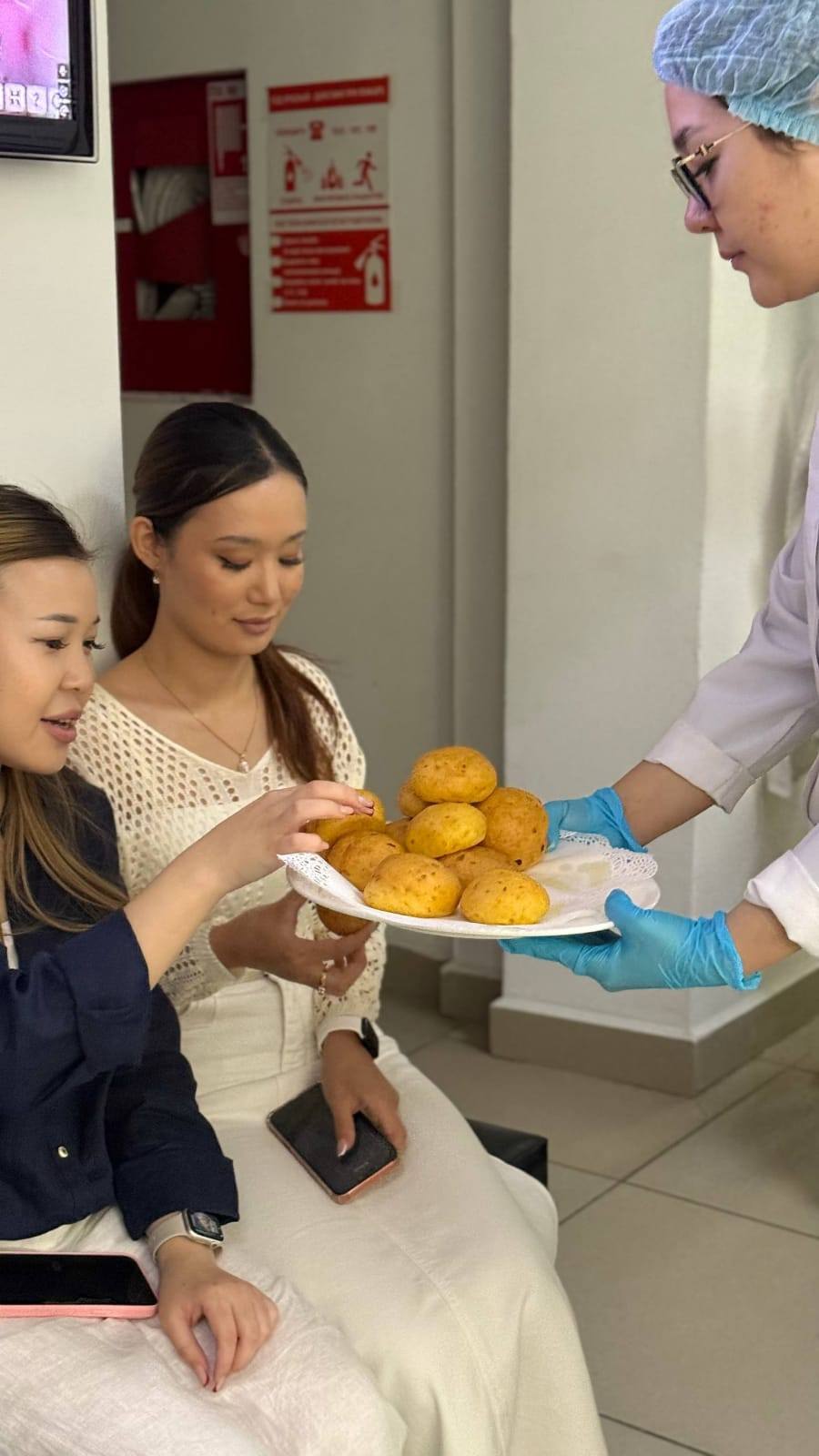
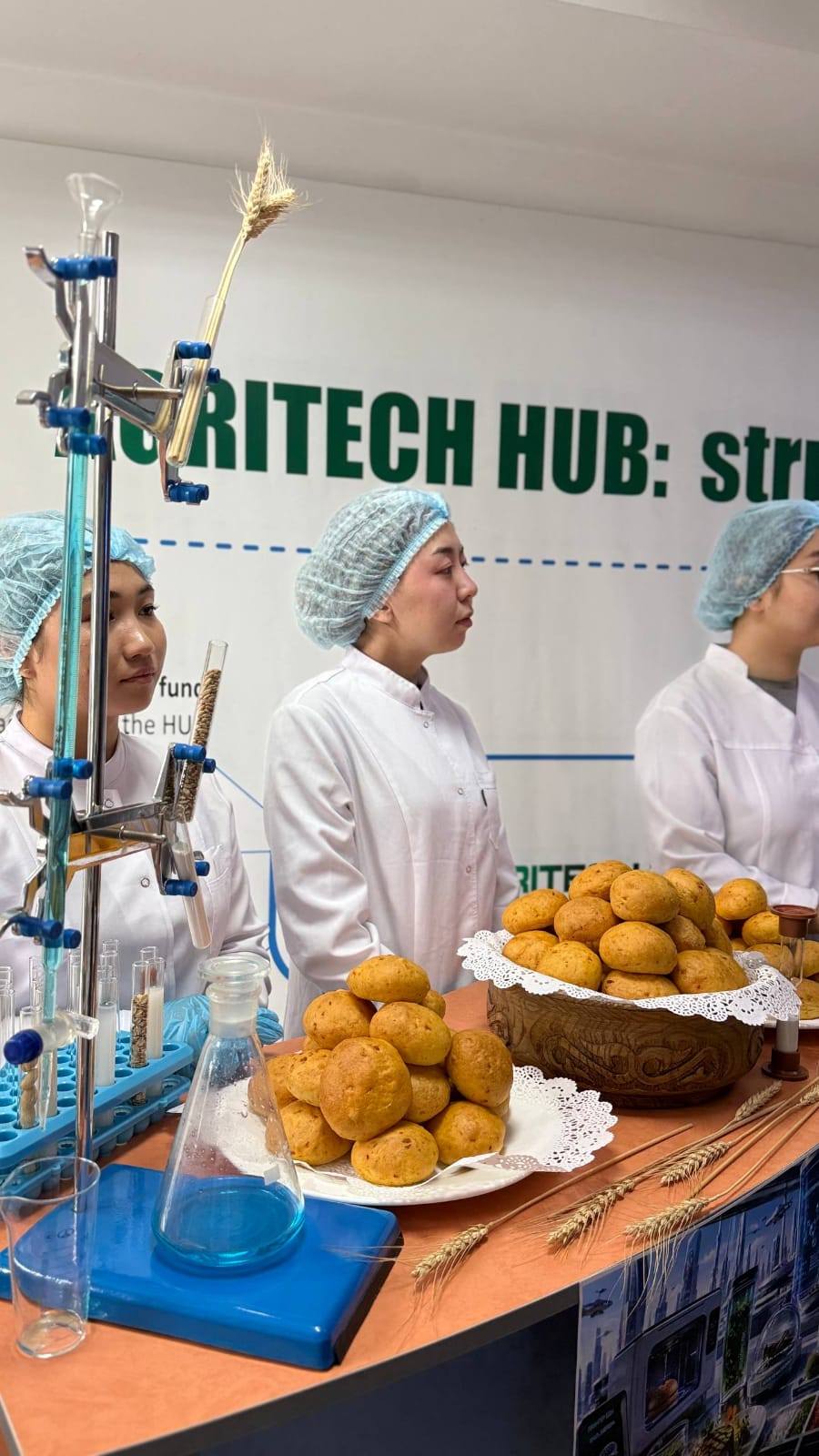
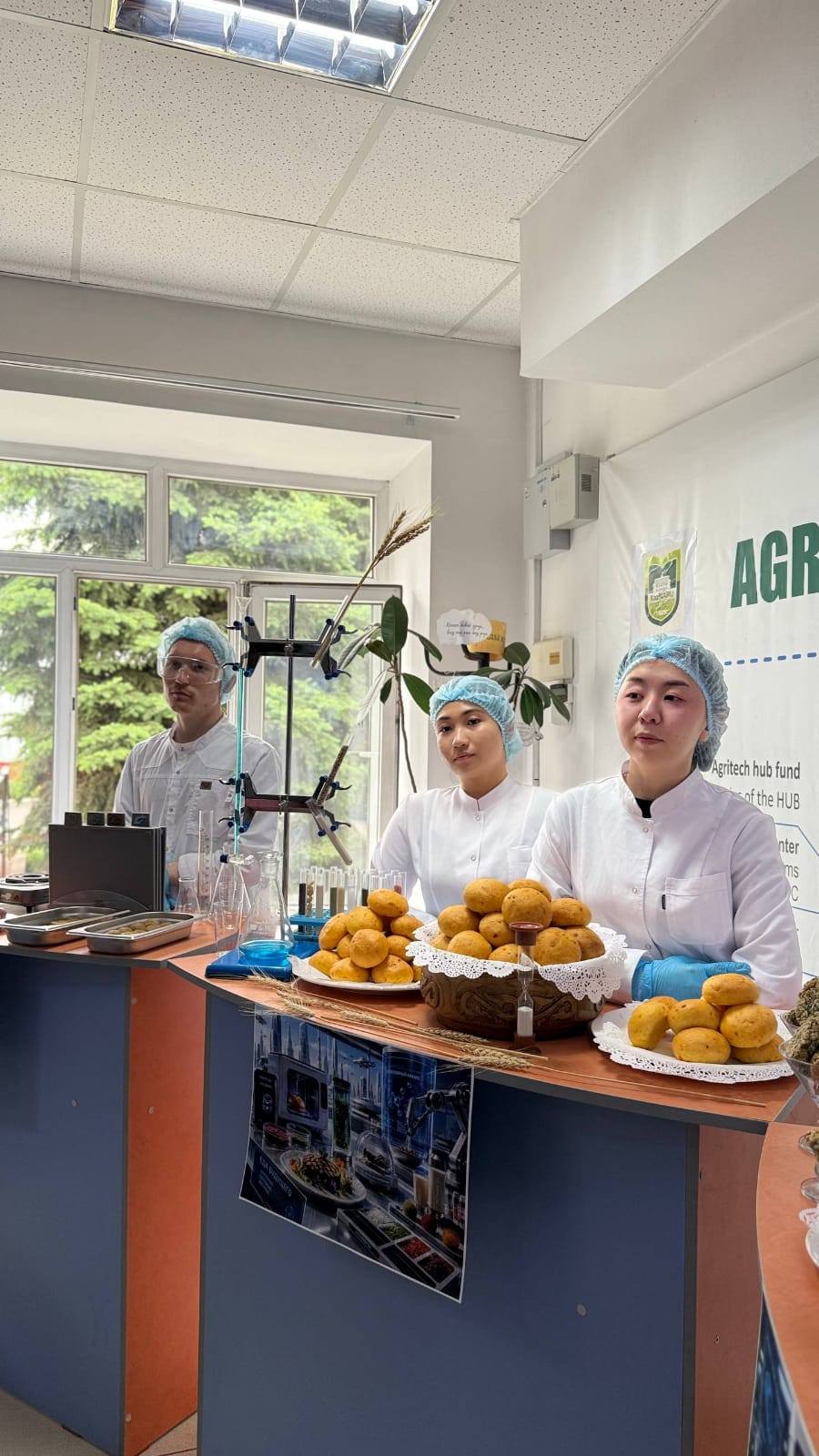
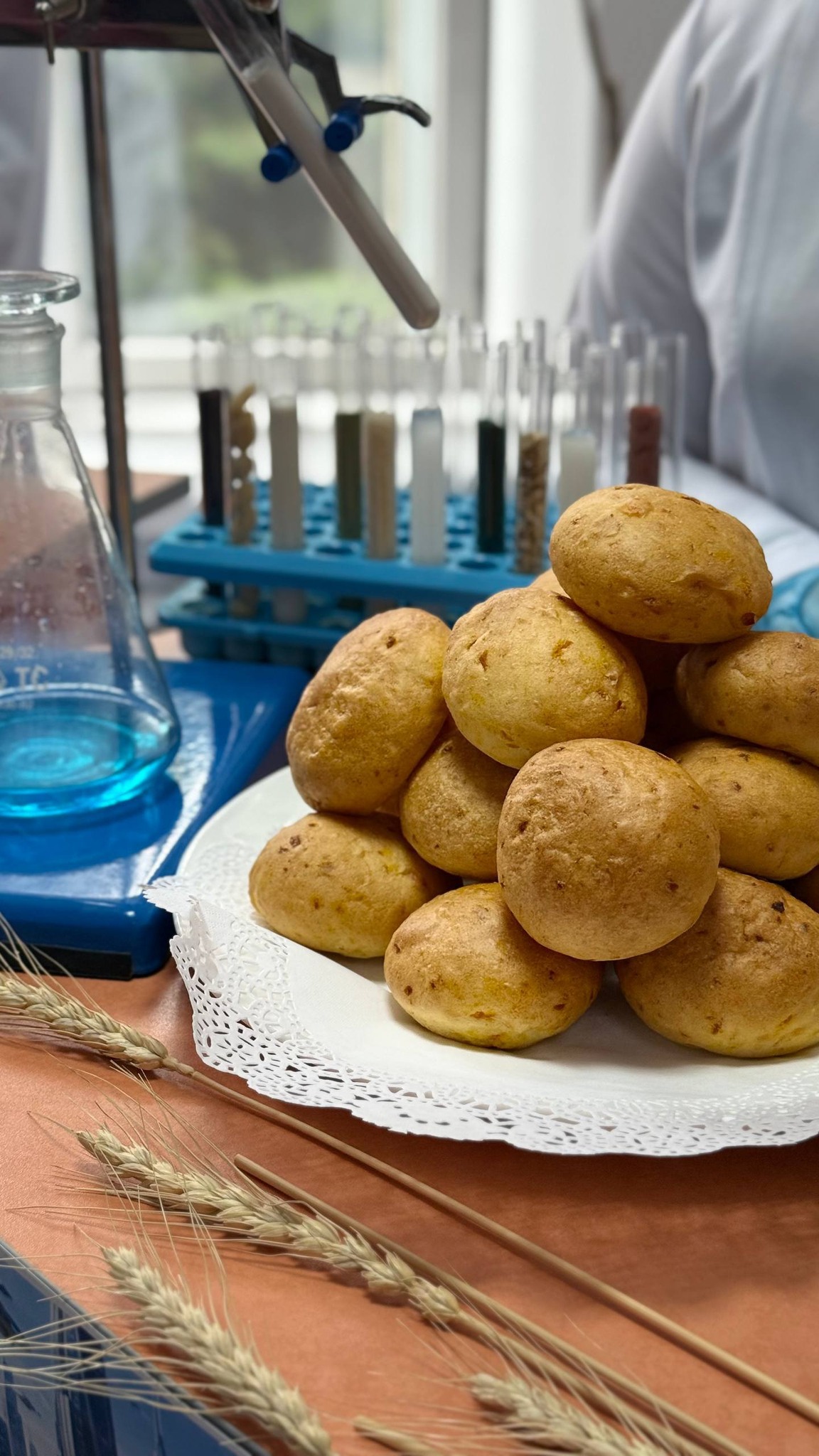
Clearly, a complete cultural replacement of baursaks is impossible, as they are a sacred symbol of hospitality and comfort. That is why young KazNARU technologists developed “aerobaursaks” — delicious, fluffy, and airy products with a golden crust. They are first steamed and then baked in a bread oven, which makes it possible to completely eliminate the process of frying in oil.
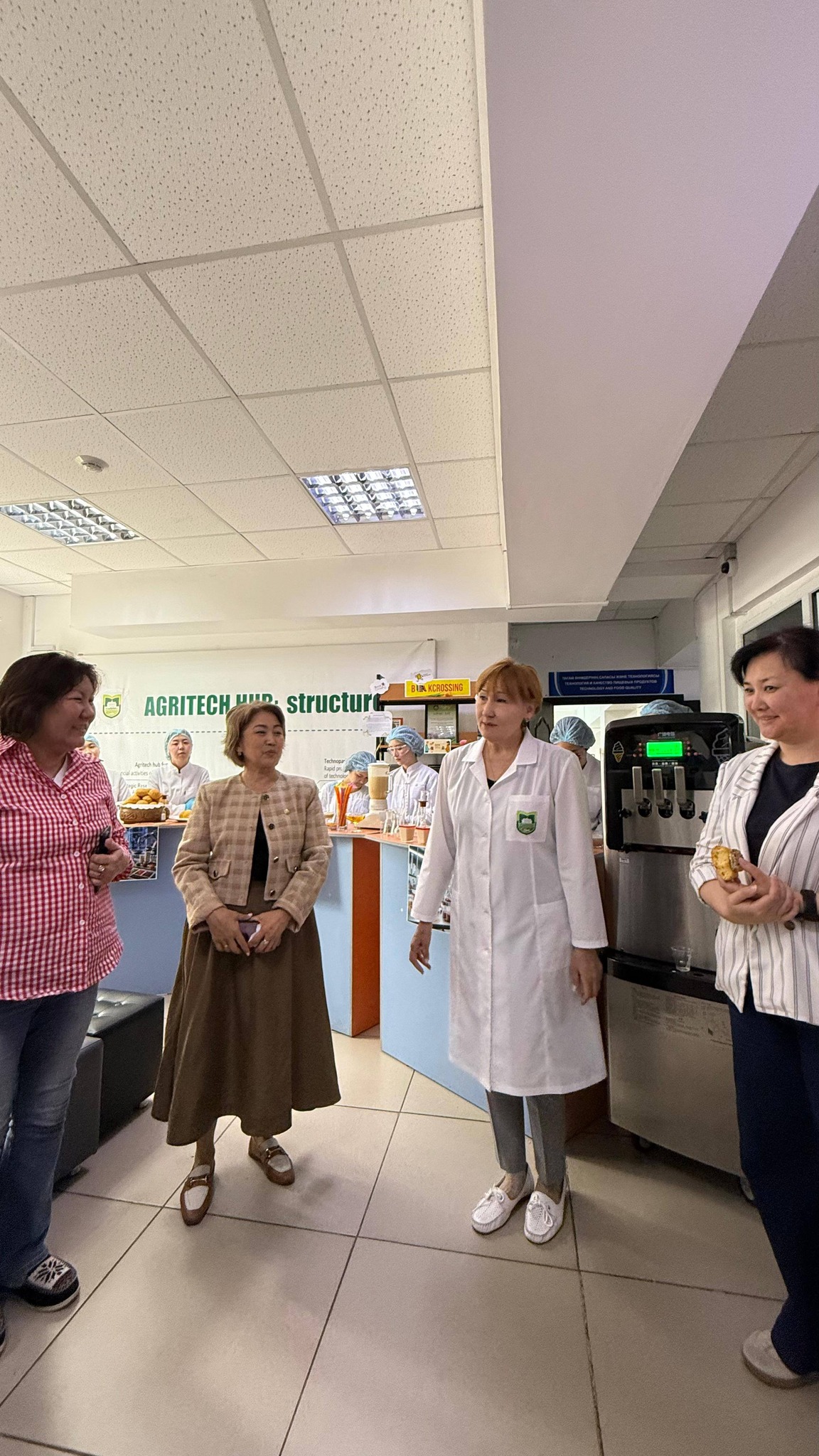
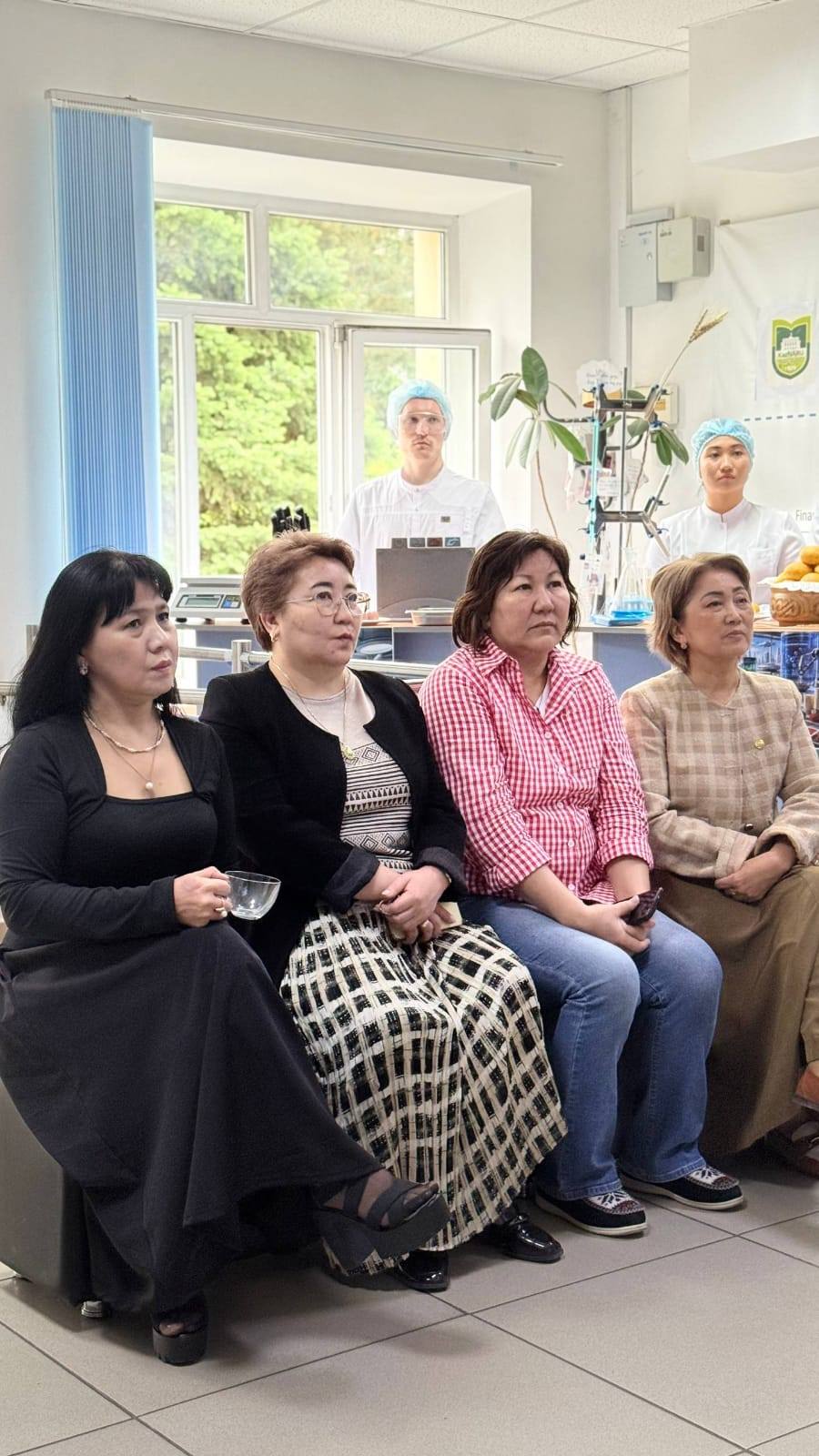
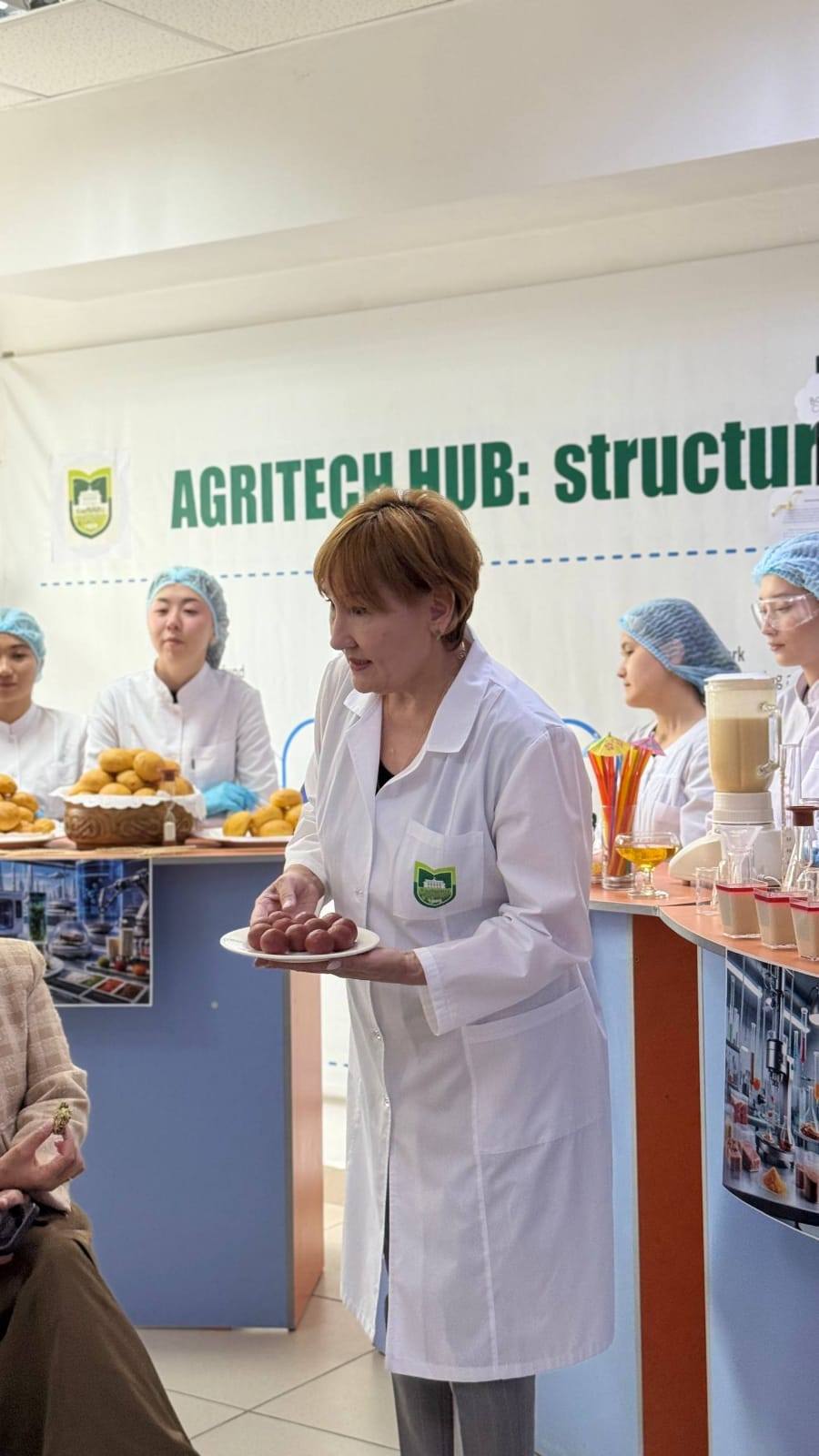
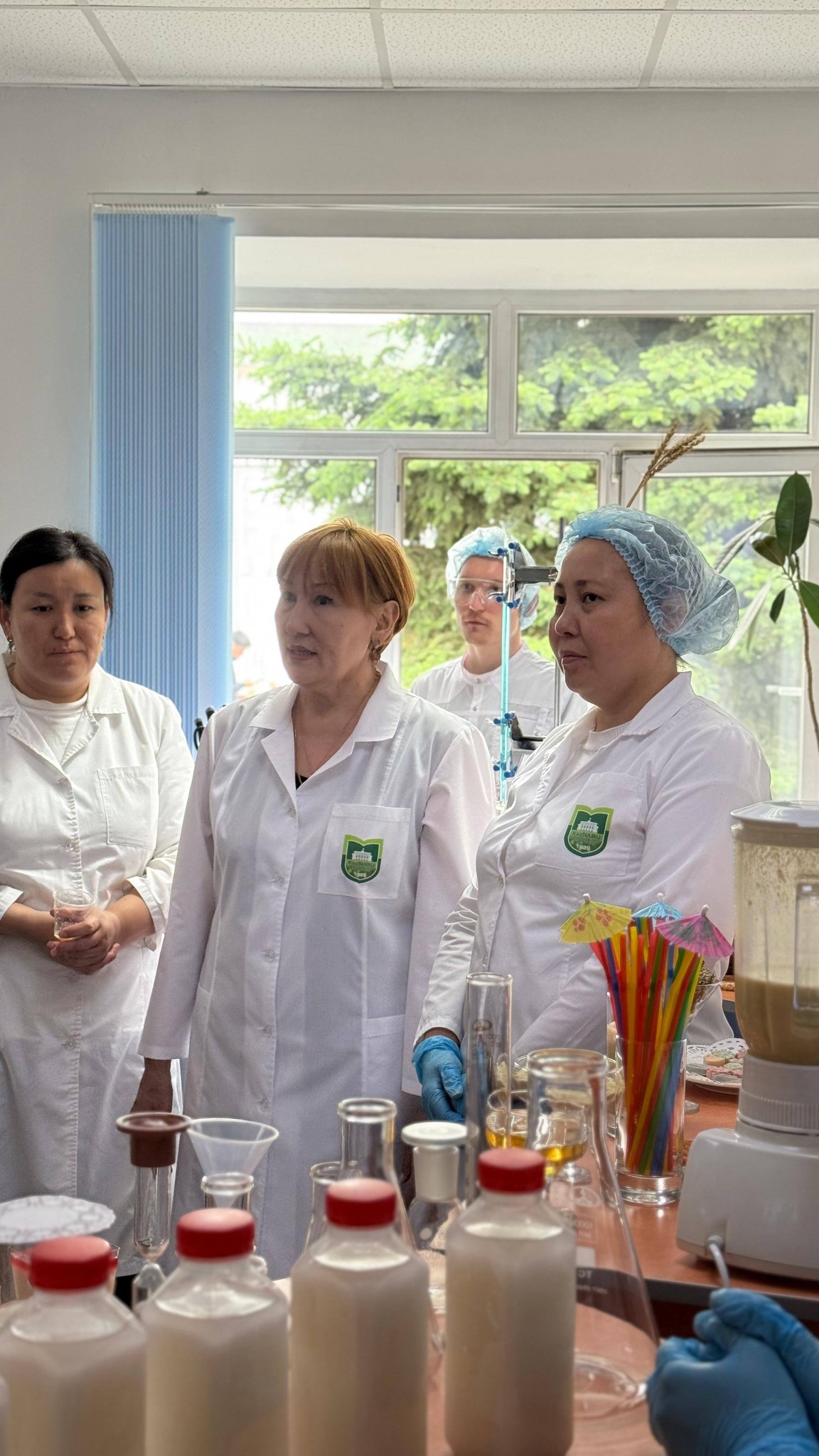
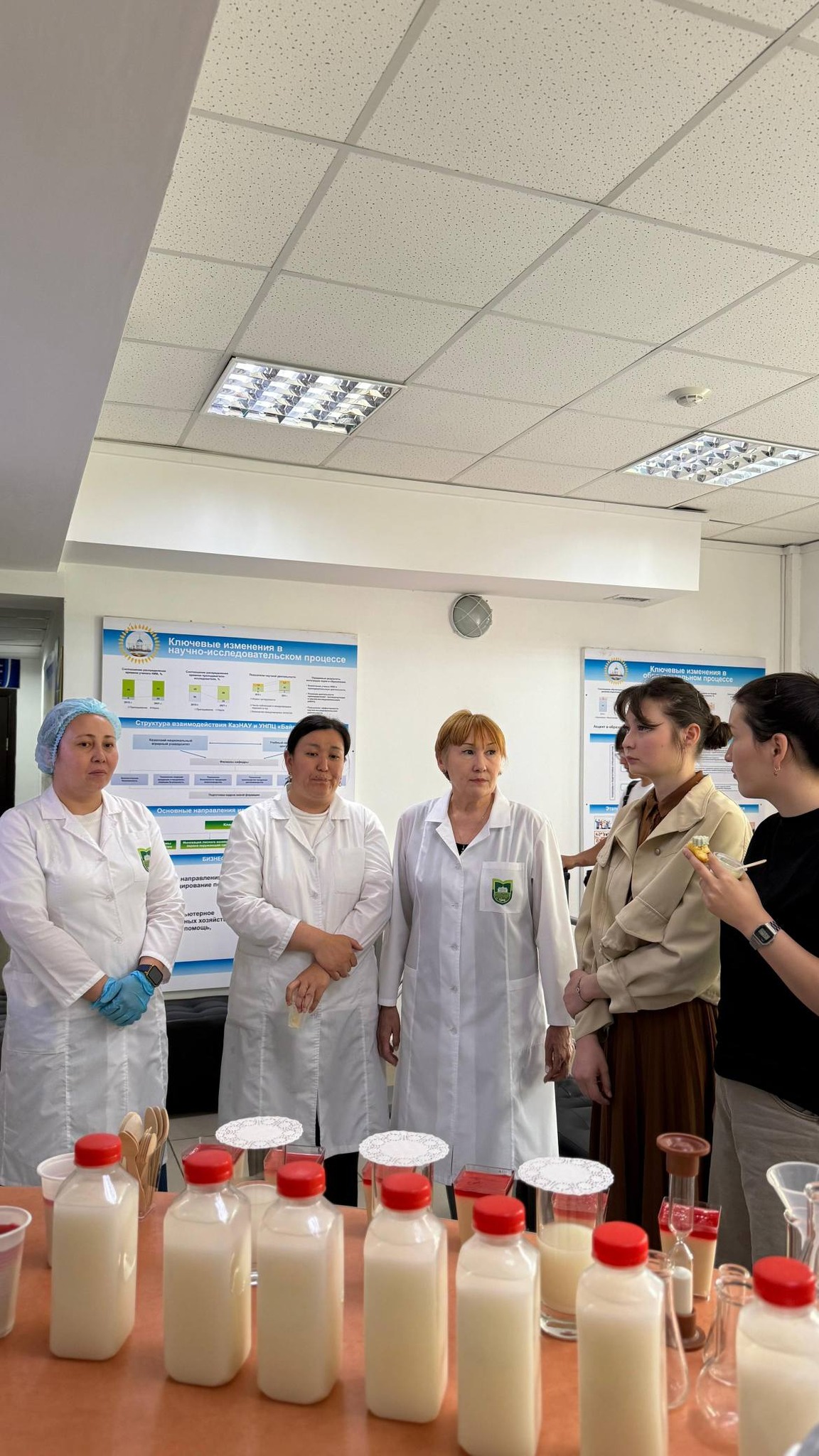
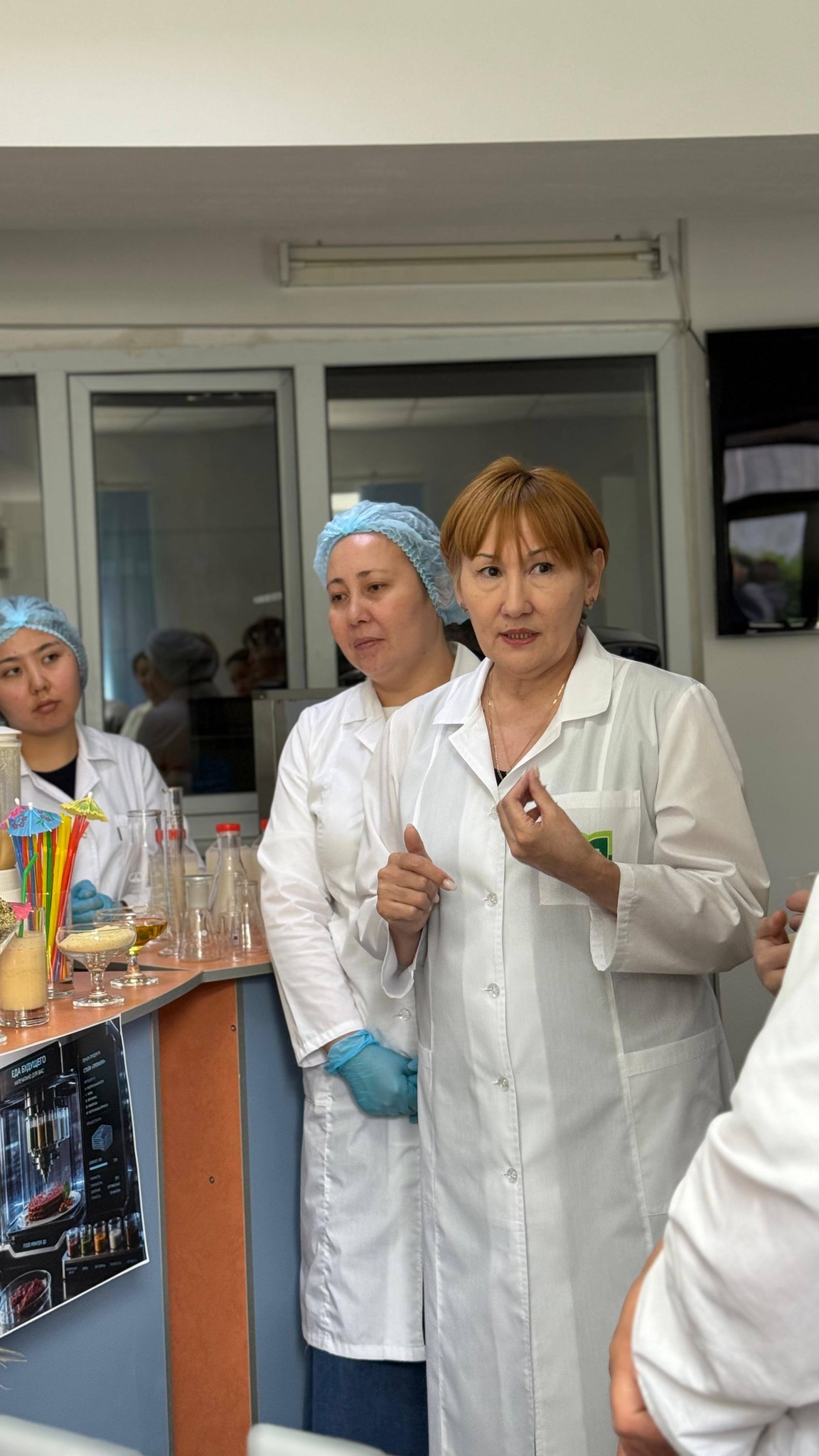
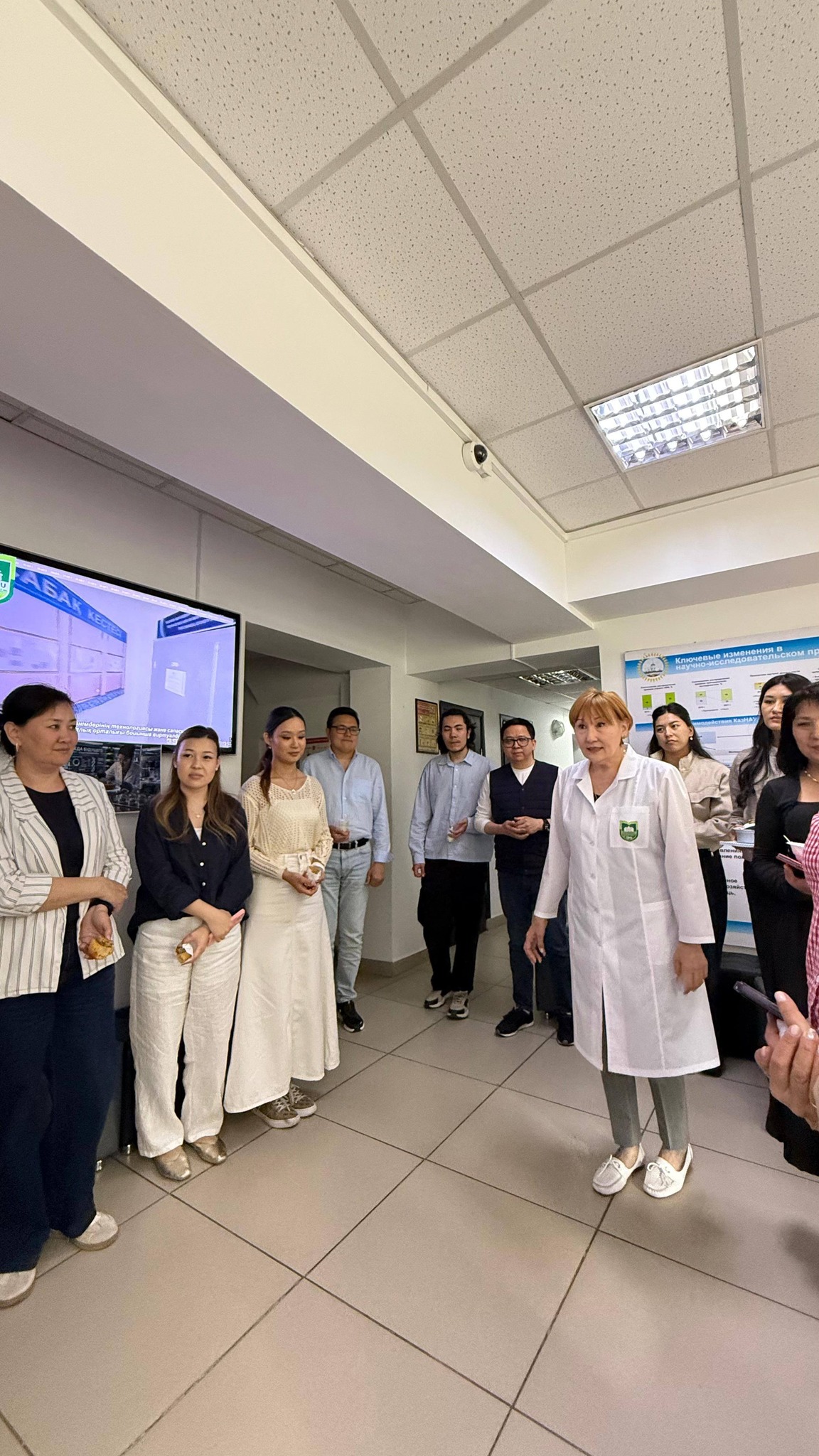
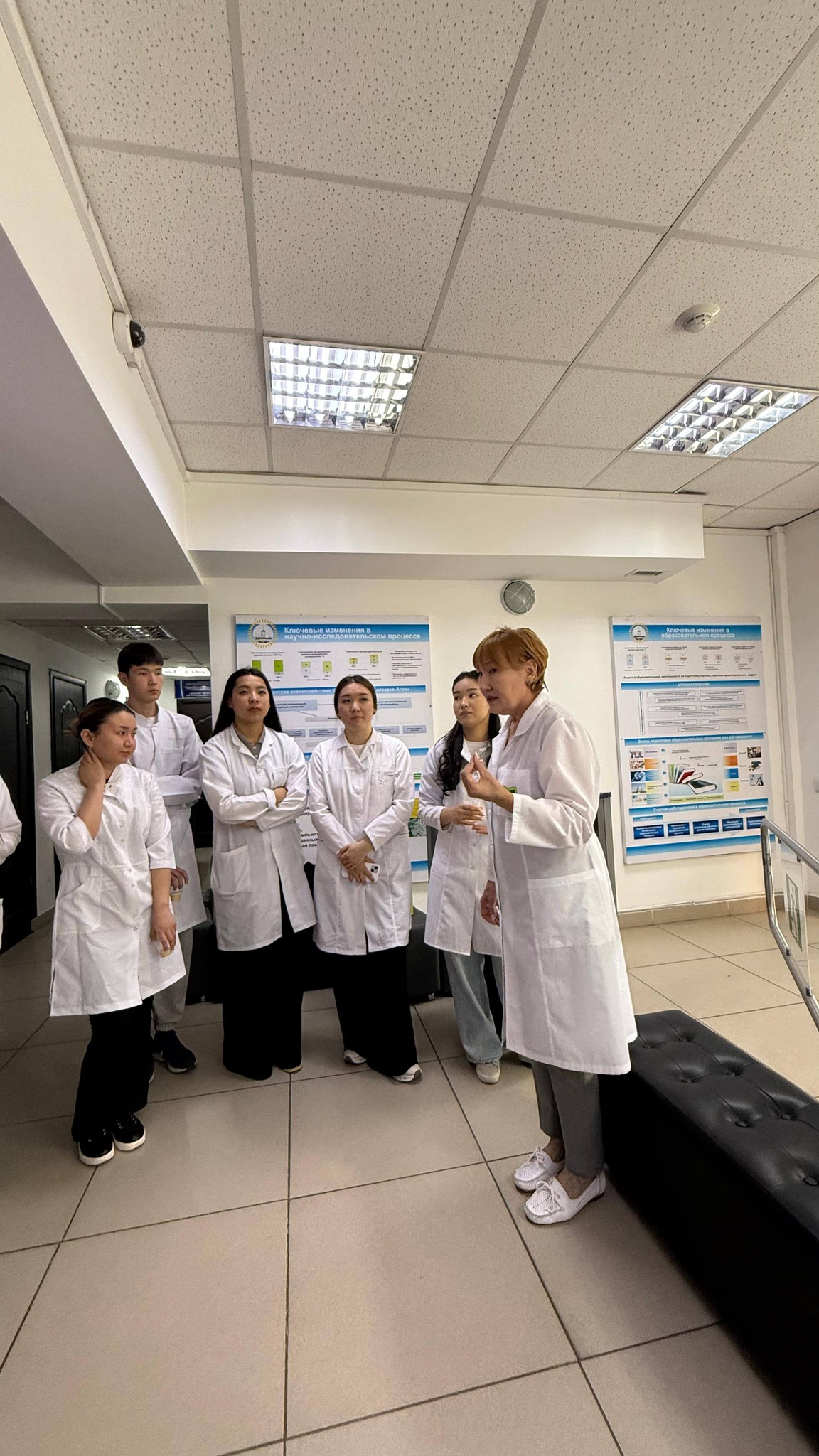
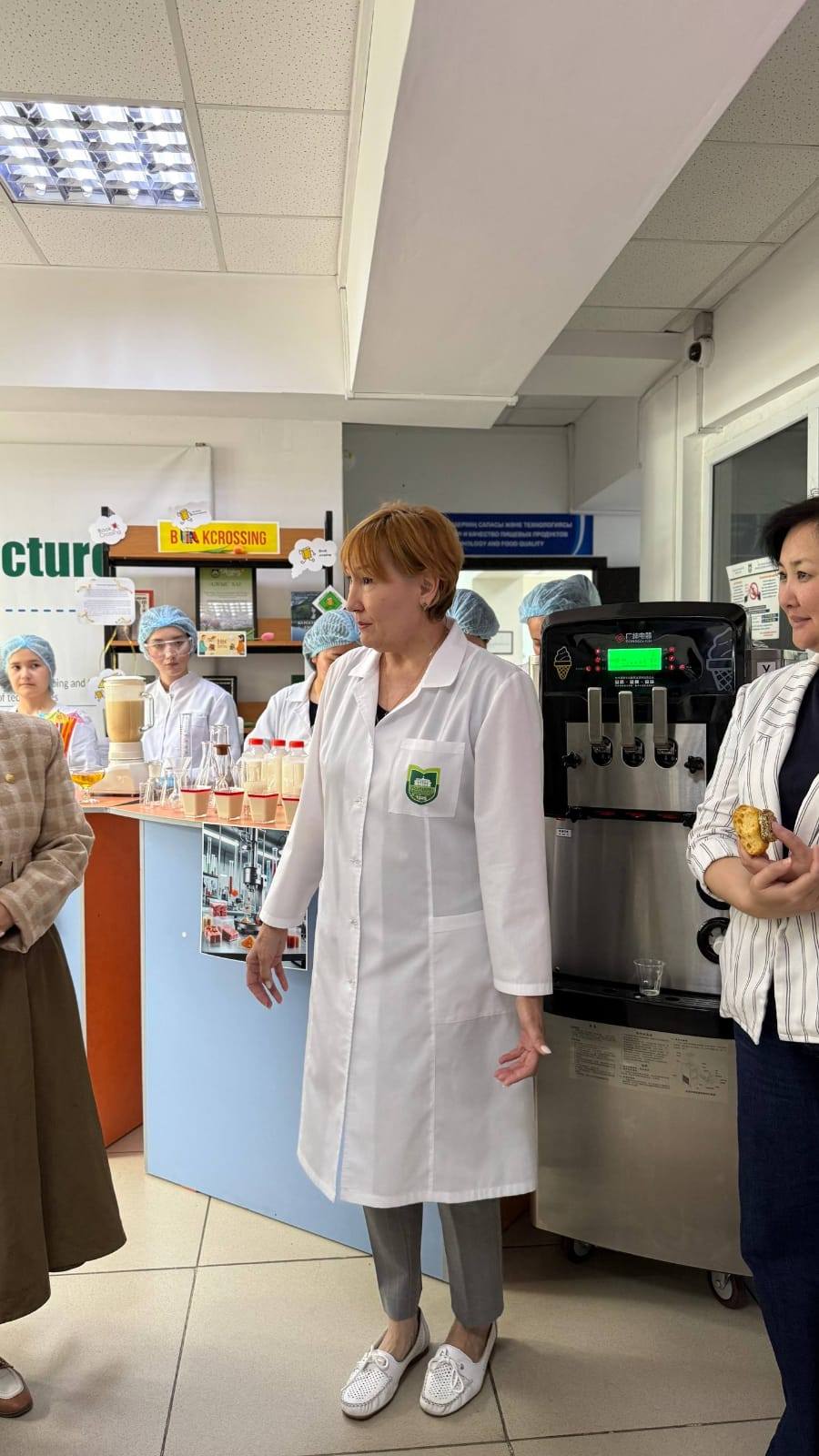
The innovative new-generation products developed by young KazNARU technologists were presented by Bibipatyma Yertayevna Yerenova, Head of the Scientific and Educational Innovation Center for Food Product Technology and Quality, Doctor of Technical Sciences, Associate Professor.
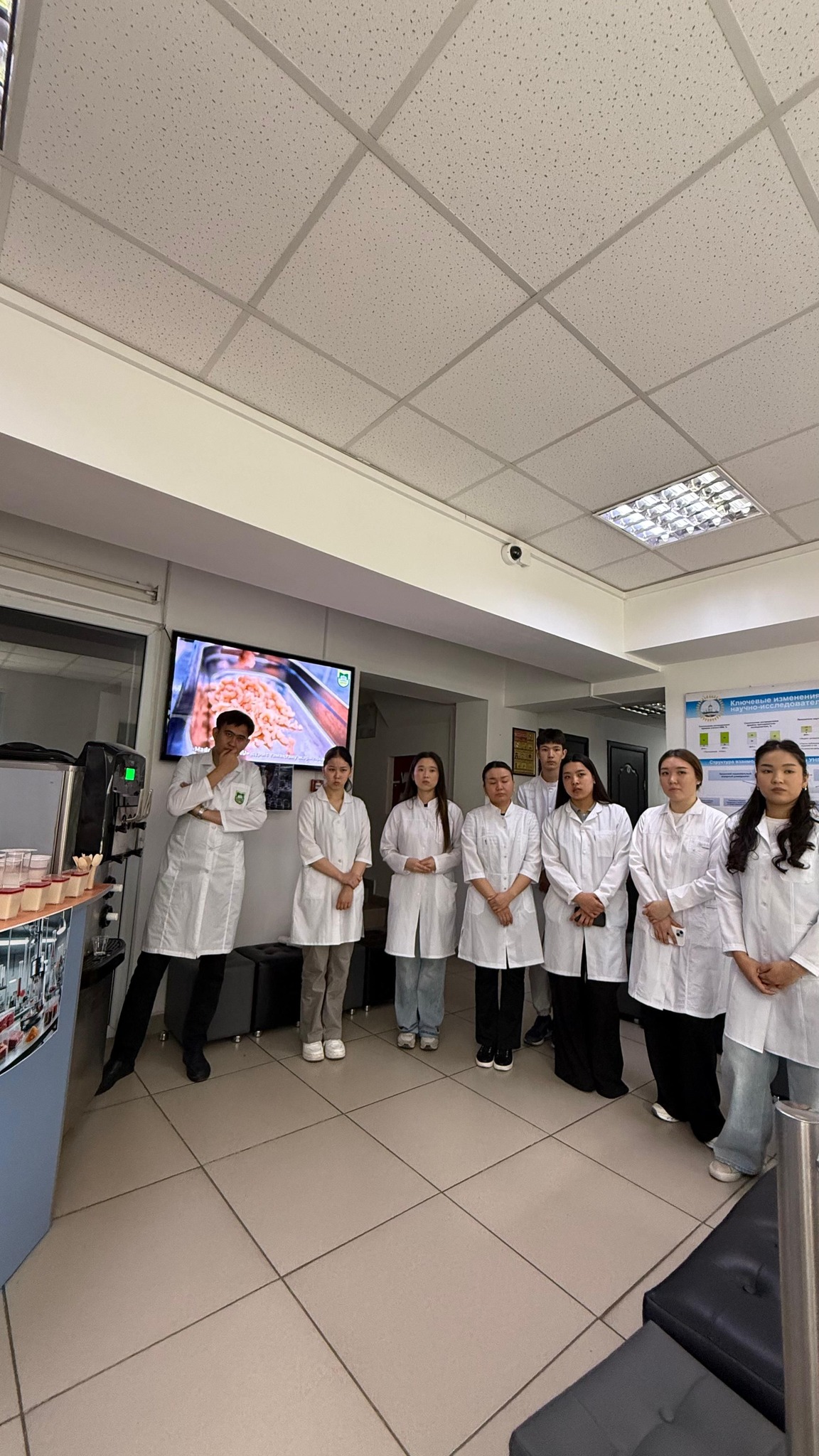
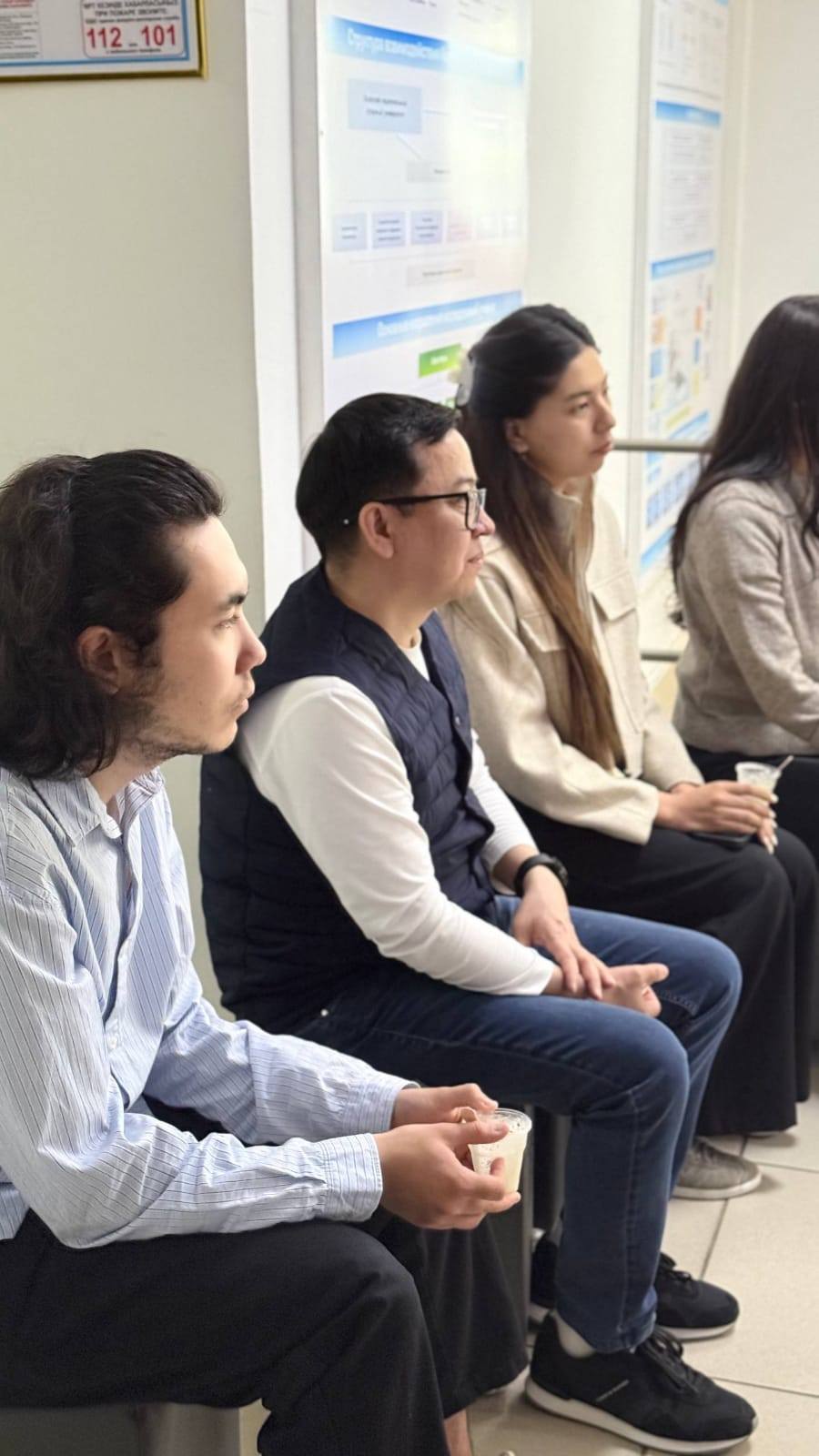
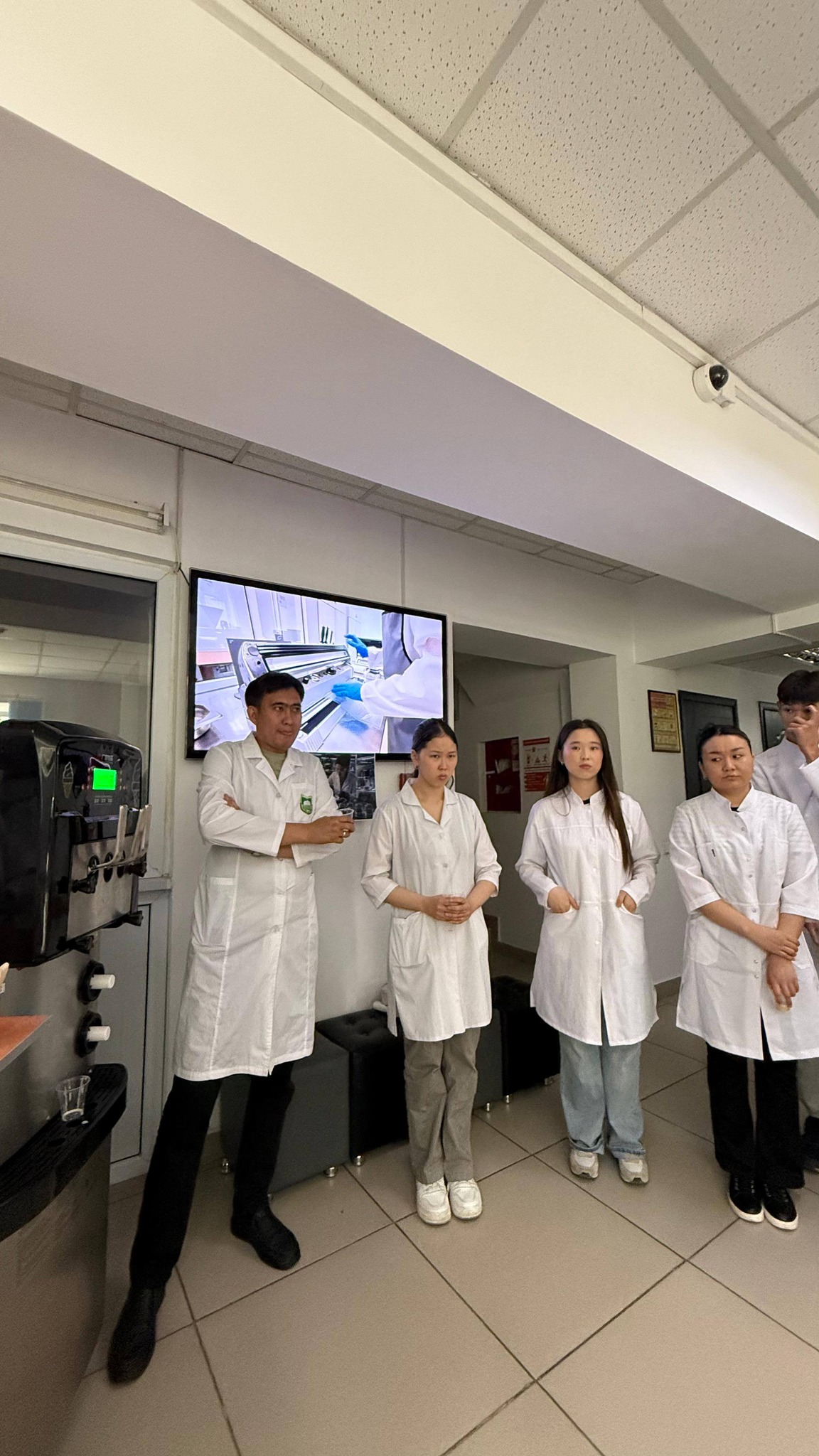
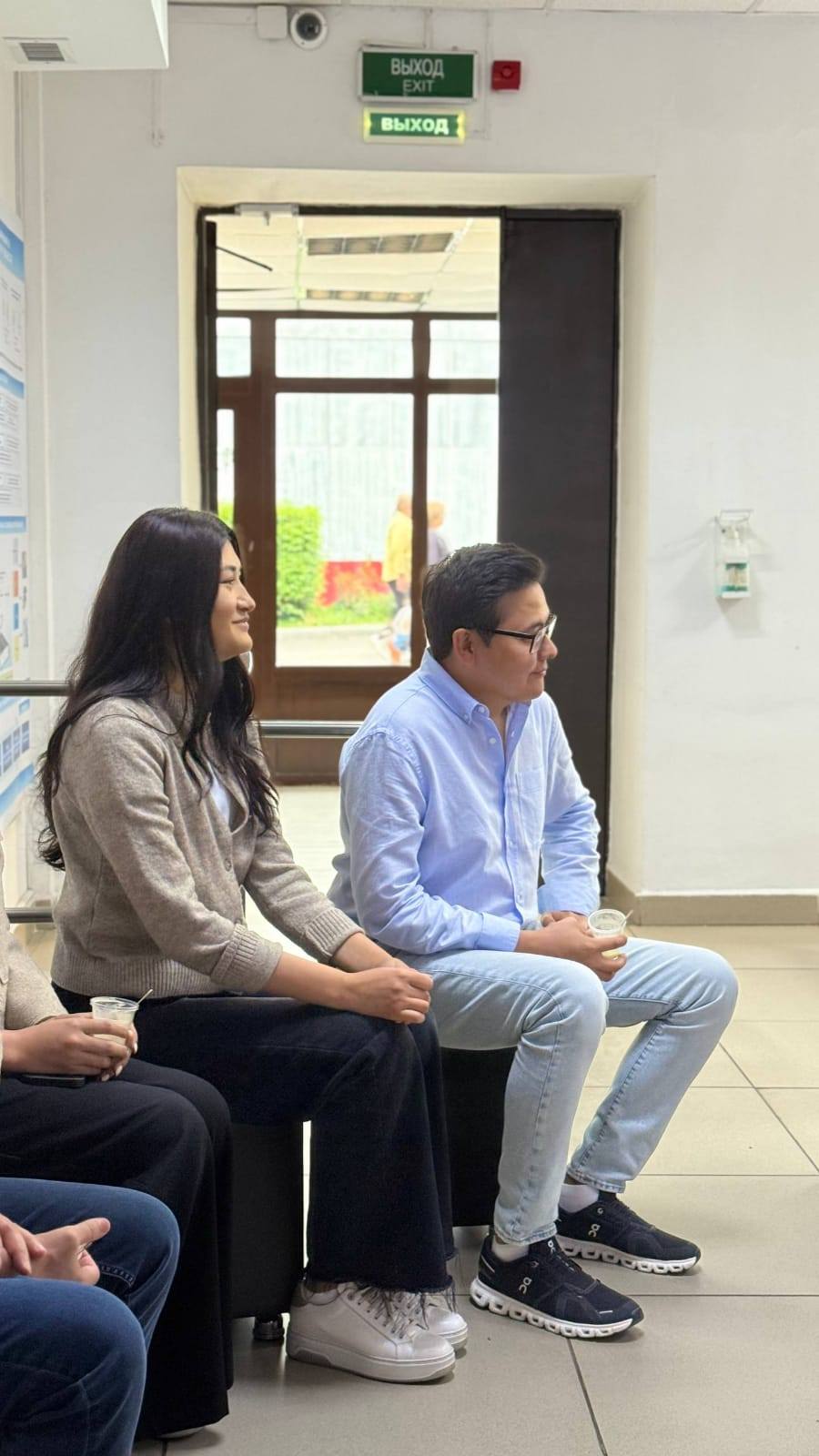
Participants of the presentation had the opportunity to taste the foods of the future, evaluate their organoleptic properties, and discuss prospects for introducing innovative, scientifically grounded technologies into production.

v