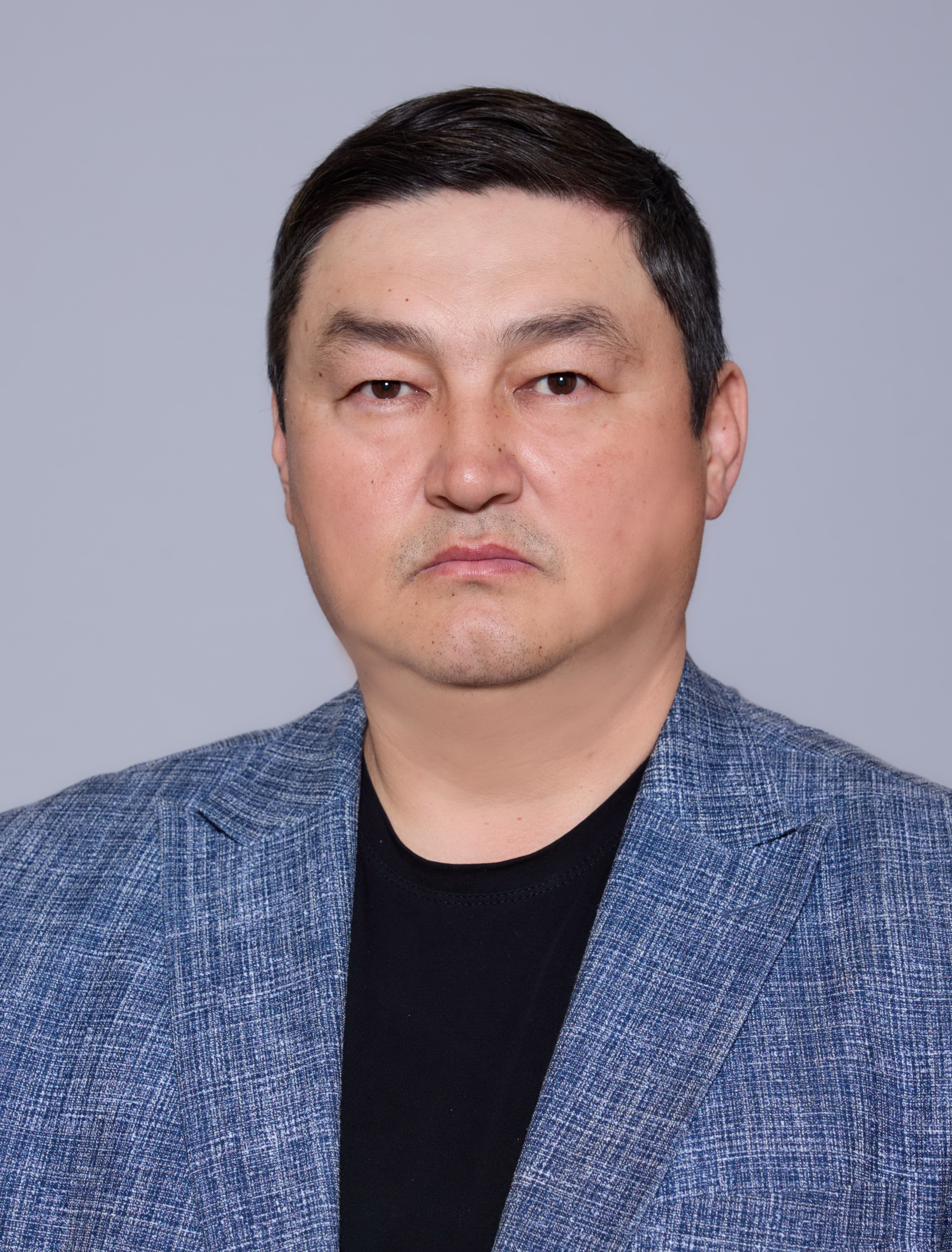
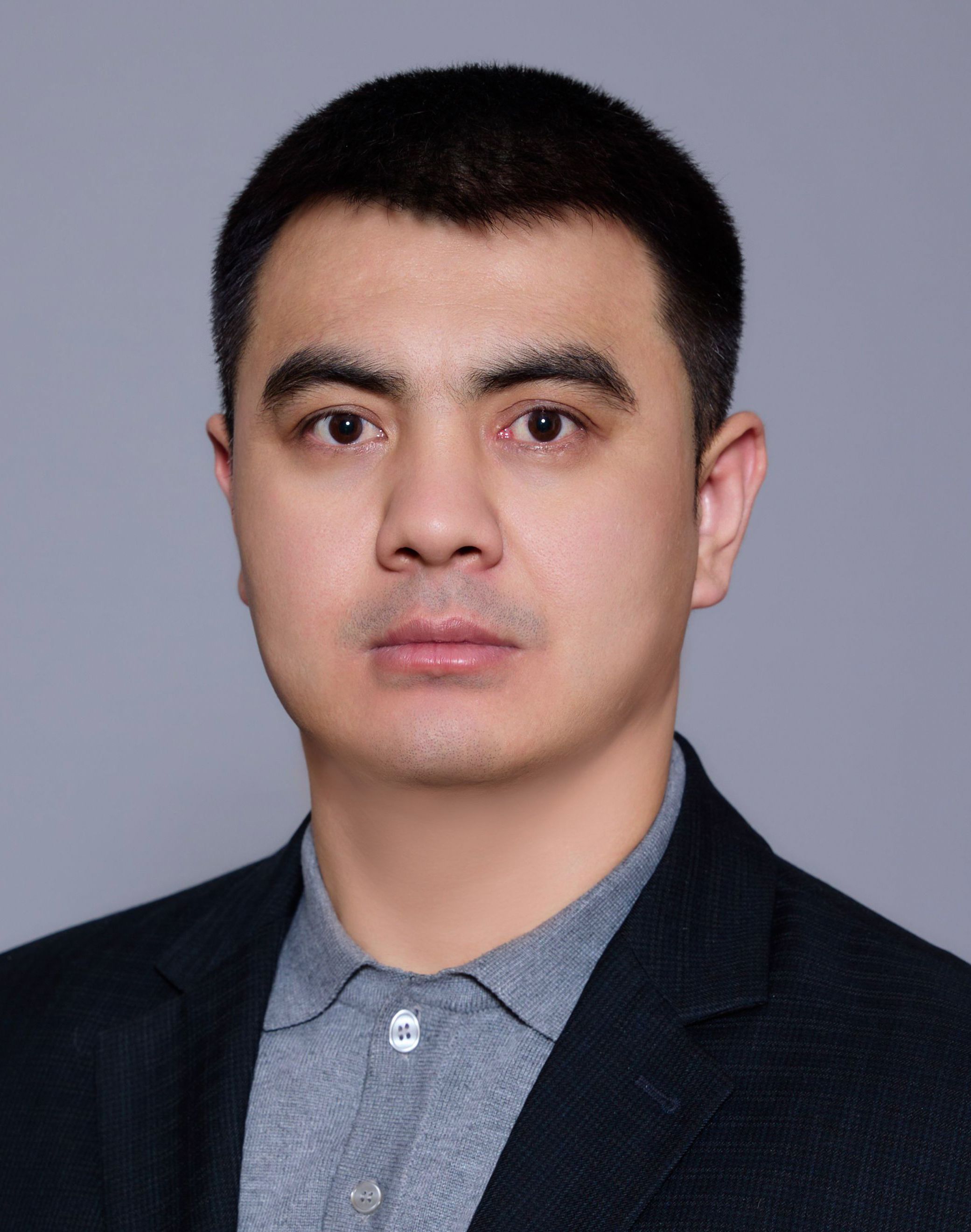
Mission and Goals of the Department
The primary mission of the department is to improve the educational system by preparing competitive specialists who possess modern knowledge, analytical thinking skills, and the capacity for scientific inquiry to address the pressing needs of society.
Guided by this mission, the strategic goal of the department is to enhance the quality of the educational process through the implementation of modern teaching methods and development based on innovative systems.
To achieve these goals, the following key objectives have been identified:
-
Faculty Development: Training teaching staff in accordance with the requirements of the innovative system.
-
Technological Integration: Implementing innovative technologies into the educational process.
-
Professional Readiness: Training qualified specialists who meet the specific requirements of the production industry.
Educational Process and Practice
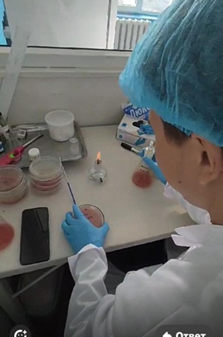
The disciplines taught at the department are designed to develop skills in ensuring proper conditions for animal housing and care. This expertise contributes to:
To enhance students' competitiveness in the labor market, the department maintains close partnerships with leading industrial enterprises, including:
-
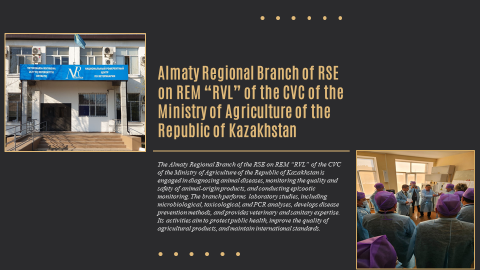
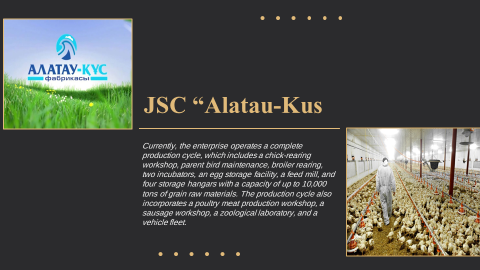
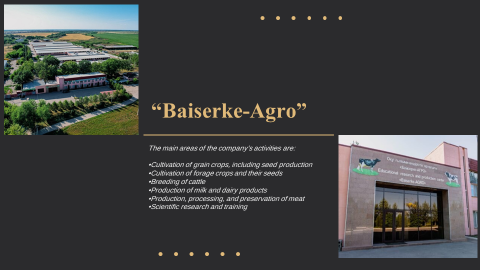
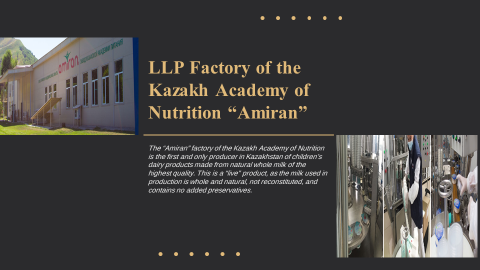
LLP "Dinara-Ranch", FE "Aidarbaev", LLP "Amiran", LLP "Adal", LLP "Bayserke-Agro", "Almaty" Breeding Plant, LLP "Alatau-Kus", and LLP "Makinsk Poultry Farm".
Hands-on Training
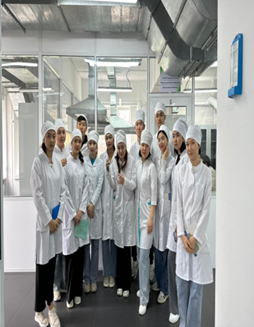
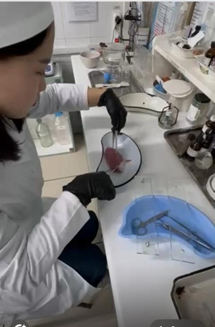
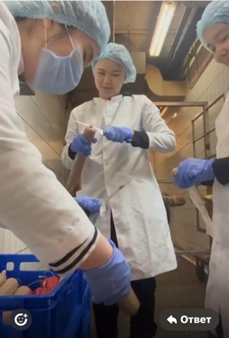
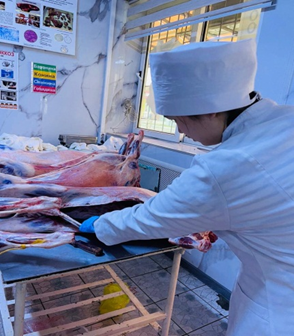
Based at these enterprises, the department organizes:
Academic and Methodological Work. The department is highly active in academic publishing. In recent years, the following textbooks and manuals have been published under its initiative:
-
Technology, Hygiene, Sanitation, and Veterinary-Sanitary Expertise of Meat and Dairy Products;
-
Veterinary-Sanitary Expertise of Raw Materials of Animal Origin;
-
Veterinary Entrepreneurship (in 2 volumes);
-
Forensic Veterinary-Sanitary Expertise of Livestock Products;
-
Veterinary Hygiene and Sanitation, and others.
Organization of the Educational Process
Lecture halls are equipped with modern interactive whiteboards. The educational process is supported by video materials, visual aids, and presentations, facilitating the effective absorption of material.
-
Digital Access: Lecture materials and laboratory-practical assignments for all disciplines are hosted on the Platonus 6.0 electronic educational platform. This provides students with 24/7 access to resources and the ability to interact with instructors.
-
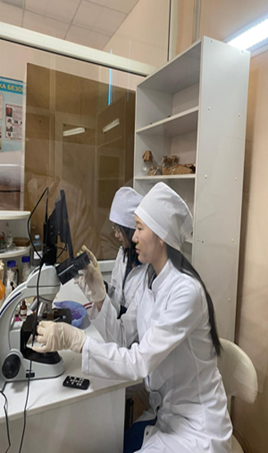
Research Hub: In the department's laboratories, Master's and PhD students conduct scientific research and publish their findings in peer-reviewed scientific journals
Scientific and International Activities
The department’s faculty members are active participants in international and national scientific-methodological conferences and seminars. They also regularly undergo professional development at leading universities in Kazakhstan and abroad.
-
Laboratory Partnerships: The department collaborates with accredited laboratories in the Republic of Kazakhstan that are equipped with state-of-the-art technology, serving as bases for laboratory and practical sessions.
-
Grant Programs: Staff members actively participate in competitive grant programs.
-
Scientific Impact: In recent years, more than 30 scientific articles have been published in international journals indexed in the Scopus and Web of Science databases.
International Cooperation
The department maintains strong ties with the following international universities:
-
University of Warmia and Mazury (Olsztyn, Poland);
-
Latvia University of Life Sciences and Technologies (Jelgava, Latvia);
-
Suleyman Demirel University (Turkey);
-
Saint Petersburg State Agrarian University (Russia).
The faculty and teaching staff are active participants in international scientific conferences, fostering global academic exchange.
Material and Technical Base
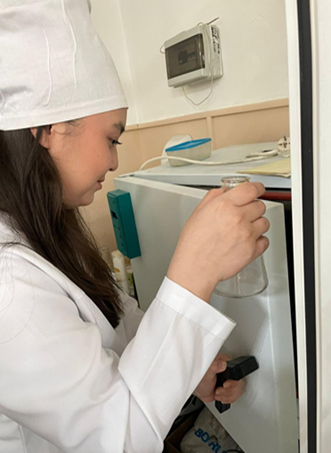
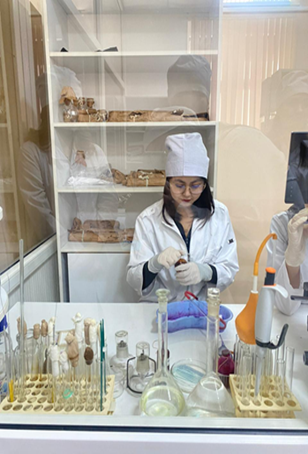
The department is equipped with specialized classrooms designed for the in-depth study of the educational program’s disciplines. Key laboratories include:
-
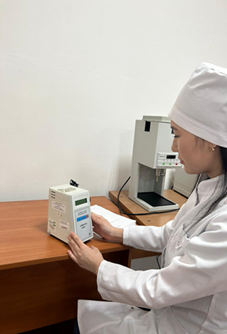
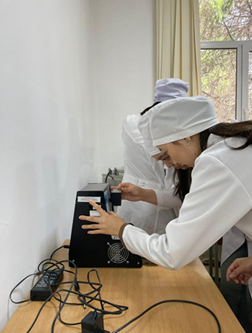
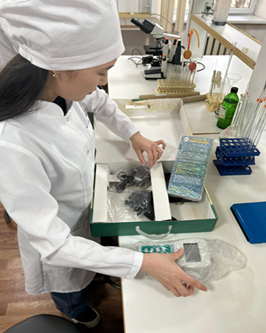
Educational and Scientific Laboratory "Safety, Product Quality, and Veterinary-Sanitary Expertise" — Room №231;
-
Laboratory "Hygiene and Sanitation at Veterinary Control Facilities" — Room №137;
-
Laboratory "Radiobiology" — Room №217.
Current Student Body (2025–2026 Academic Year)
Currently, 18 Master's students and 6 PhD doctoral students are pursuing degrees in the field of Veterinary Safety at the department.
History of the Department
Given the vital importance of livestock to the nation, the Almaty Zooveterinary Institute—the second of its kind in the republic's history—was established in 1929. Within its structure, the departments of "Meat Science" (1930) and "Zoohygiene" (1931) were formed.
Early Years and Key Leadership
-
Founder: Professor A.E. Lukin was the founder and first head of the "Meat Science" department.
-
Mid-20th Century: From 1939 to 1980, the department was led by V.I. Ryakhovsky, who oversaw the training of the first Candidates of Sciences.
-
Early Research (1930s-1970s): Investigations ranged from camel meat productivity and fat shelf-life to anthrax diagnostics in raw hides. By the 1970s, large-scale studies were conducted on processing and preserving products under extreme conditions.
Reorganization and Mergers
The department underwent several structural changes as the university evolved:
-
1996: "Veterinary-Sanitary Expertise" and "Zoohygiene" merged into a single department.
-
2006–2010: A period of specialized split-offs (Hygiene and Biochemistry) and subsequent reunifications.
-
2010: The current structure, the Department of Veterinary-Sanitary Expertise and Hygiene, was finalized under the leadership of Professor Zh.B. Myrzabekov.
Modern Leadership Chronology
-
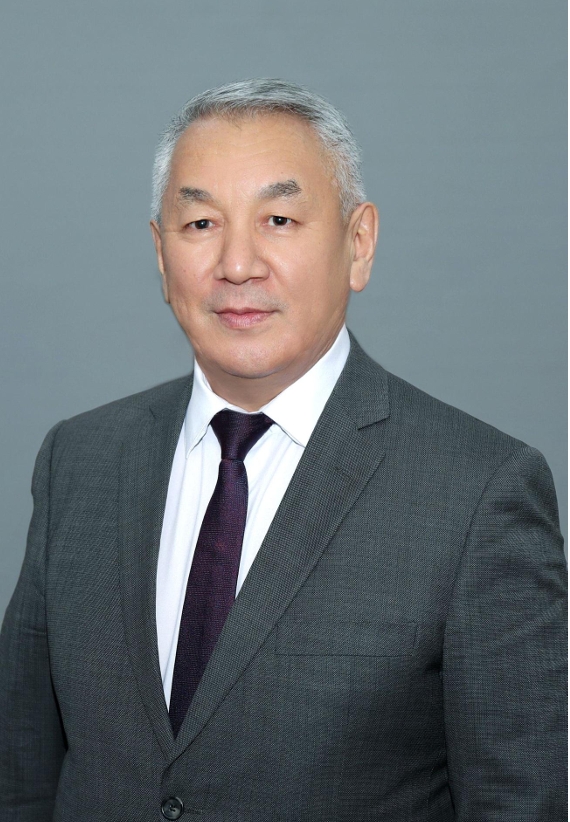
2011–2013: Prof. N.B. Sarsembaeva (Department recognized as one of the university’s best).
-
2013–2014: Prof. B.D. Aytzhanov.
-
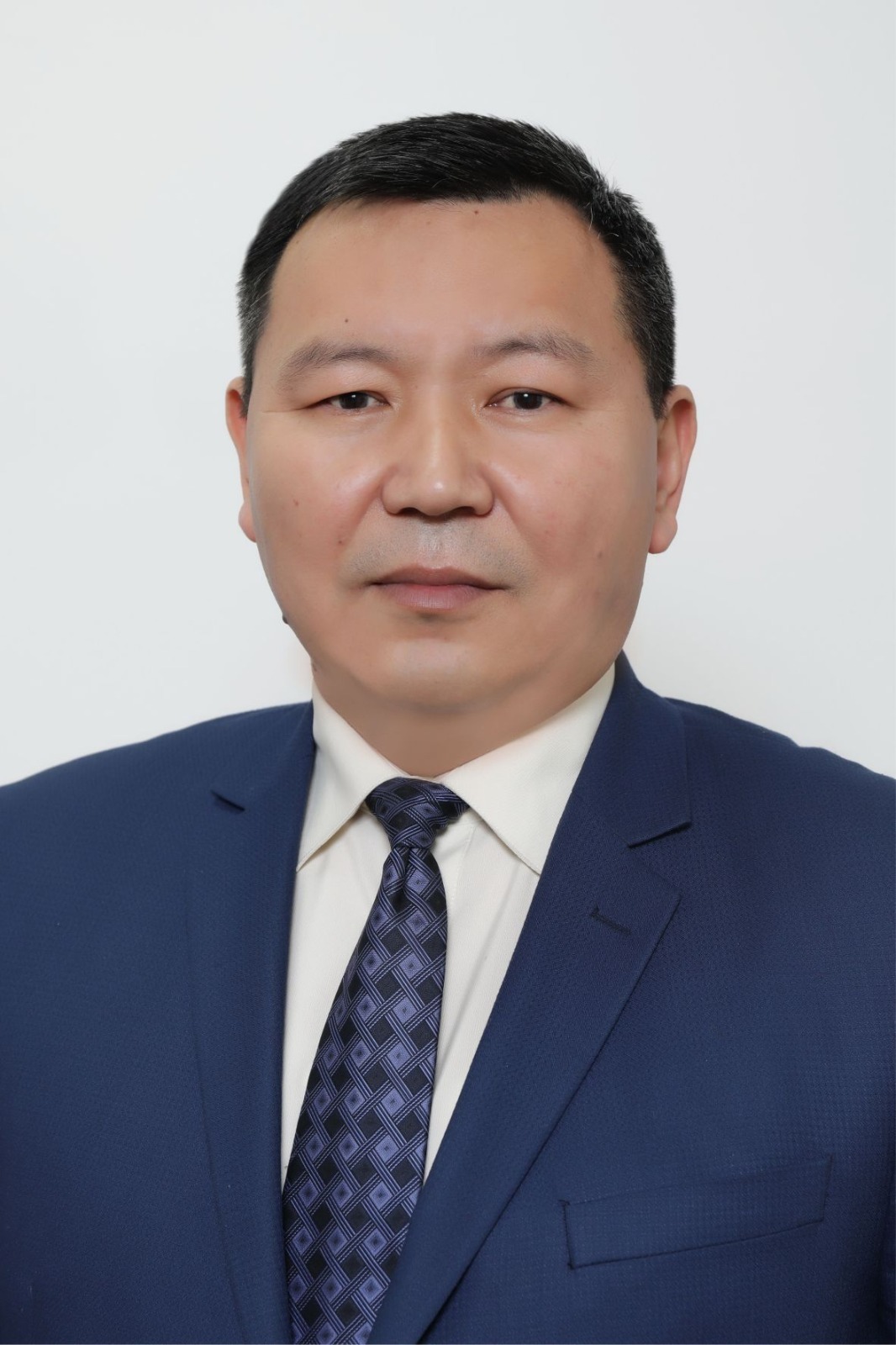
2014–2017: Assoc. Prof. A.A. Zhumageldiev.
-
2017–2019: PhD K.D. Alikhanov.
-
2023–2024: Assoc. Prof. A. Alimov (Acting).
-
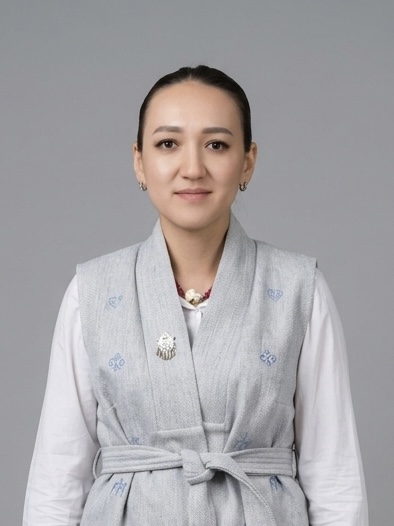
Current (from July 2024): Associate Professor M.O. Tokayeva.
Academic and Scientific Legacy
The department has built a formidable reputation for scientific excellence:
-
Dissertations: 11 Doctoral (DSc) and 30 Candidate (PhD/CS) dissertations have been defended.
-
Intellectual Property: Over 50 certificates of authorship and patents have been granted by the USSR and the Republic of Kazakhstan.
-
Publications: Staff have published 65 textbooks/manuals, 60 methodological recommendations, and over 700 scientific articles.
-
Official Recognition: Key textbooks, such as "Expertise of Product Quality and Radiation Safety," carry the official seal of the Ministry of Education and Science of the Republic of Kazakhstan.
Current Faculty Profile (2025–2026)
The department maintains high academic standards with the following staff:
-
1 Doctor of Science
-
6 Candidates of Science
-
3 PhDs
-
3 Masters of Science
Key Metrics:
-
Degree level (Faculty with advanced degrees): 56%
-
Average age of staff: 49.2 years
-
Recent Success: Since 2024, 4 doctoral dissertations have been successfully defended by G.K. Tolepova, S.S. Isabekov, M.R. Turabekov, and G. Apdraim.
Main Research Areas
The department focuses its scientific inquiries on three primary pillars:
Research findings are regularly published in international peer-reviewed journals indexed in Clarivate Analytics' Journal Citation Reports (Quartiles Q1, Q2, Q3, and Q4), as well as in journals recommended by the Committee for Quality Assurance in Science and Higher Education of the Republic of Kazakhstan.
Furthermore, many faculty members are holders of intellectual property, including numerous patents, technical specifications, certificates of authorship, and methodological developments resulting from their research.
Professional Development and Internships
To maintain a high level of professional expertise, faculty members undergo internships in both neighboring and distant foreign countries. Notable examples include:
Scientific Projects
The Department of Veterinary Sanitation is currently implementing four major scientific projects under the Ministry of Science and Higher Education of the Republic of Kazakhstan:
-
New Feed Additives (Shungite-based): Development and veterinary-sanitary assessment of poultry products using active shungites from the Bakyrchik deposit.
-
Synbiotics for Aquaculture: Technology development and safety justification using Kazakhstani minerals (zeolite, vermiculite) and probiotic strains.
-
Bovine Health: Development of improved methods for preventing mammary gland inflammation (mastitis) in cows to enhance milk quality.
-
Radioactivity Reduction: Developing methods to lower radioactivity levels in animal organisms and livestock products.
Scientific Output (since 2023)
There is a strong positive trend in the growth of scientific publications. Since 2023, the staff has published over 48 scientific articles, categorized as follows:
-
13 in international journals with a non-zero impact factor;
-
4 in journals recommended by the Ministry's Science Committee;
-
6 in international conference proceedings;
-
25 in domestic conference materials.
Additionally, 2 monographs have been published, and 6 patents for utility models have been obtained over the last two years.
Academic Mobility and Student Achievements
The department has achieved significant results in training young professionals, strengthening ties with industry, and developing cooperation with scientific institutions both in neighboring countries and further abroad.
Academic mobility for students is implemented through both inbound and outbound programs, covering both short-term and long-term durations.
International Academic Mobility Participants
-
Adil Akzhanuly: Completed the 2024 spring semester at Lanzhou University (China).
-
Aidana Baimuldinova: Studied for one semester at the Estonian University of Life Sciences (Estonia) in 2024; currently continuing her studies at Jeonbuk National University (Jeonju, Republic of Korea).
-
A. Atimbetova & T. Bakytzhan: Master’s students in "Veterinary Sanitation" who studied for one semester at the Lithuanian University of Health Sciences.
-
Maikezhan Rakhimbekova: Completed a semester at the Warsaw University of Life Sciences (Poland) in 2025.
Featured Student: Ardak Sarsen (EP 6B09102 "Veterinary Sanitation")
-
Attended an international summer school on "Ecology" at Lanzhou University.
-
Participated in the international conference "Scientific Control and Improvement of Food Safety" (organized by the Samarkand State University of Veterinary Medicine), receiving a certificate of merit.
-
Completed an internship in Germany via the "Apollo" program (June–August 2025).
-
Currently studying at Jeonbuk National University (Republic of Korea) via academic mobility.
Students of the educational program actively participate in various competitions and consistently secure top honors:
-
Akzharkyn Igerdi (5th year): Awarded a scholarship from the Foundation of the First President of the Republic of Kazakhstan in 2024.
-
Aslan Kadyr (3rd year): Named "Best Student of the Year" in 2025 for excellence in academic and scientific activities.
-
"New Kazakhstan Patriotism" Competition: * A. Yerzhankyzy: 1st Degree Diploma.
-
K.B. Sergeyeva (5th year): Awarded a 2nd Degree Diploma at the XVII Republican Subject Olympiad in Astana.
Since its founding, the department's faculty have made a significant contribution to the development of agricultural science and production, the formation of the rural intelligentsia, and the political, economic, and cultural life of the Republic. Today, the department continues to play a vital role in preparing highly qualified specialists for the agrarian sector.
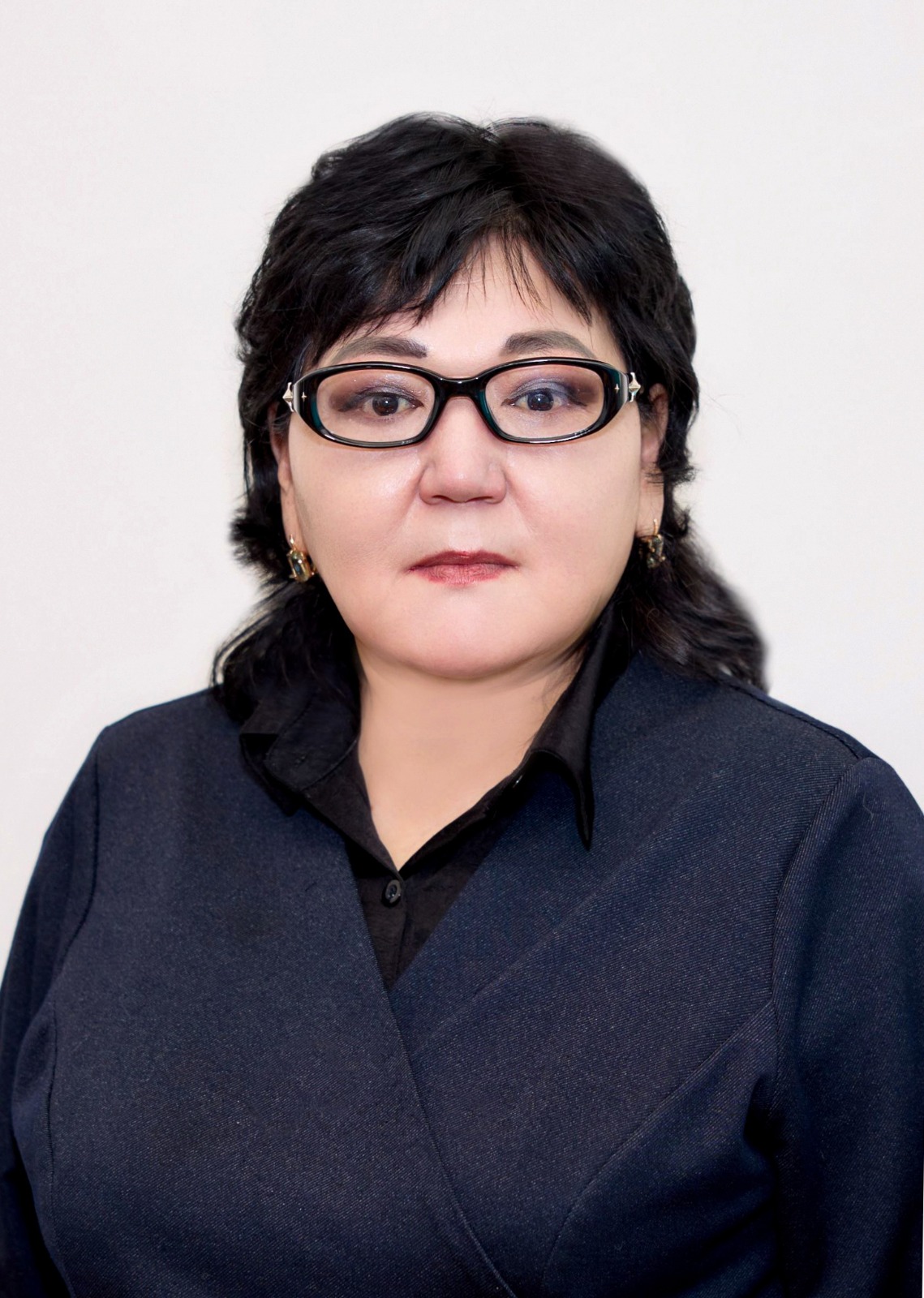
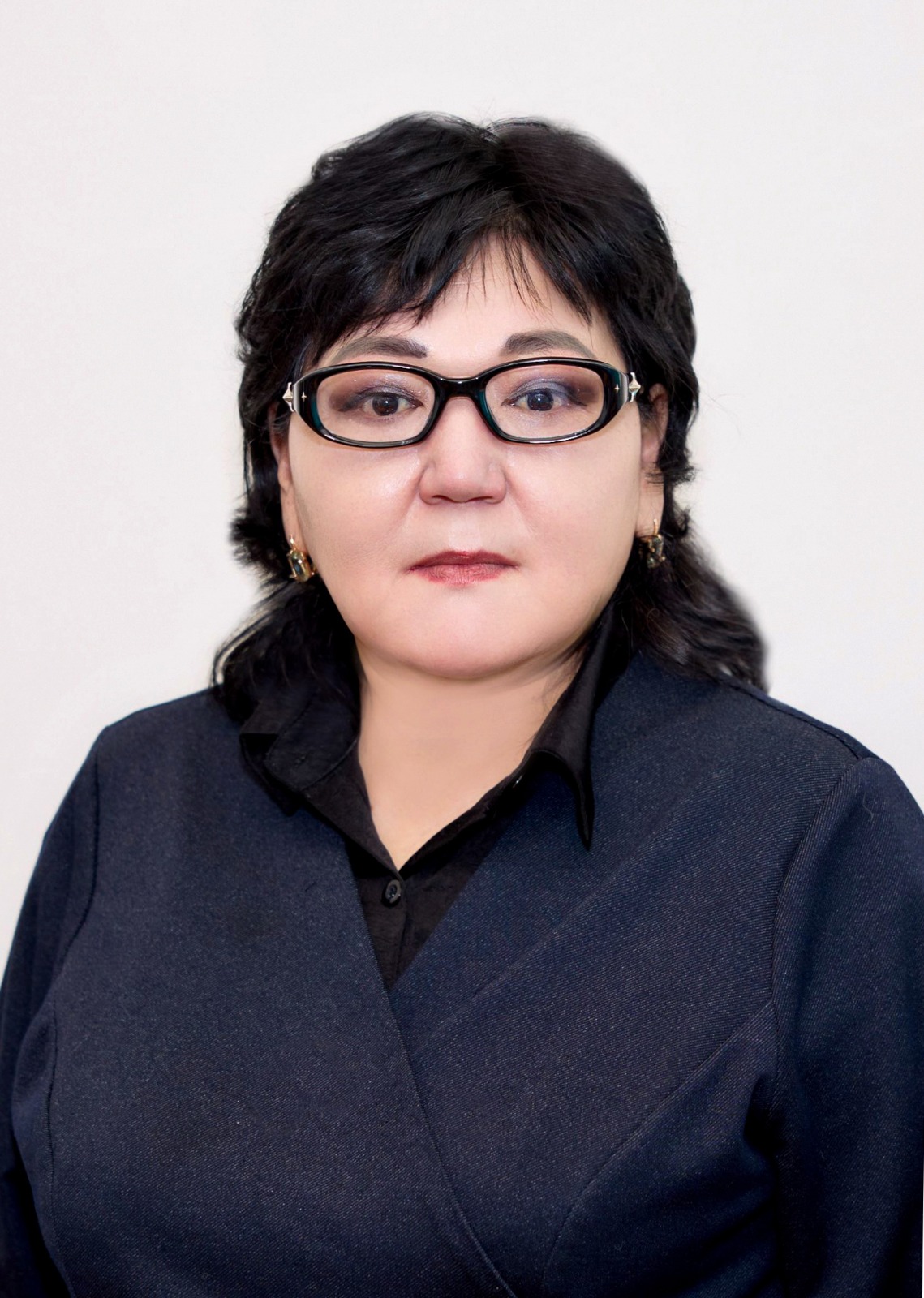
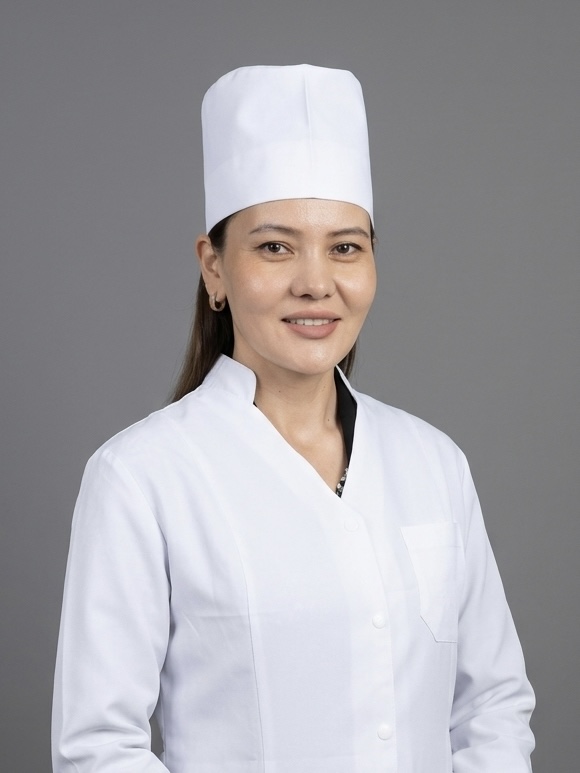
Tokaeva Mereke, candidate of Veterinary Sciences, professor
Head of the Department